Chronological Listing of Eras
Part I. Early Britain
1. Prehistoric Britain (Before AD 43)
-
- Palaeolithic (c. 900,000 – 10,000 BC)
- c. 900,000: Earliest human presence in Britain; nomadic hunter-gatherers using basic flint tools during alternating ice ages
- c. 12,000 BC: Climate warms up after the last Ice Age; humans reinhabit Britain
- Mesolithic (c. 10,000 – 4000 BC)
- c. 8500 BC: Hunter-gatherer societies thrive; permanent structures built, such as at Star Carr
- c. 6500-6200 BC: Rising sea levels permanently break the land bridge (Doggerland), making Britain an island
- Neolithic (c. 4000 – 2000 BC)
- c. 4000 BC: Introduction of farming, domestic animals, and pottery in Britain
- c. 3000 BC: First phase of Stonehenge construction by Megalithic culture
- Bronze Age (c. 2500 – 800 BC)
- c. 2400 BC: Building of Silbury Hill; widespread use of Beaker pottery
- c. 1200 BC: Rise of settled Celtic Bronze Age farmsteads and organized field systems
- Iron Age (c. 800 BC – AD 43)
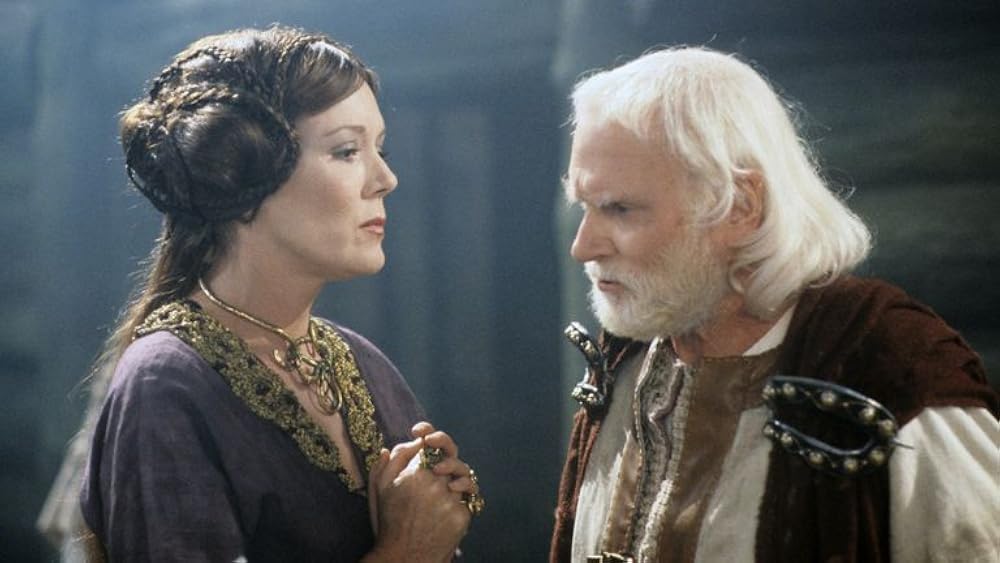
- c. 700s: Setting for mythical, pre-Roman and pre-Christian ancient Britain for William Shakespeare’s King Lear
-
- King Lear (1983)
- King Lear (2018)
-
- c. 500 BC: Construction of Iron Age hillforts like Maiden Castle in Dorset
- c. 700s: Setting for mythical, pre-Roman and pre-Christian ancient Britain for William Shakespeare’s King Lear
- Palaeolithic (c. 900,000 – 10,000 BC)
2. Ancient Roman Britain (43–410)
- Roman Empire
- Julius Caesar (49–44 BC)
- 55-54 BC: Julius Caesar leads two military expeditions to Britain, establishing trade and tribute links
- Claudius (AD 41-54)
- AD 43: Emperor Claudius orders an invasion led by Aulus Plautius; troops land in Kent and capture Camulodunum (Colchester)
-
-
- Britannia (2018)
-
-
- 47–50: London (Londinium) is founded and roads spread across southern Britain
- AD 43: Emperor Claudius orders an invasion led by Aulus Plautius; troops land in Kent and capture Camulodunum (Colchester)
- Nero (54-68)
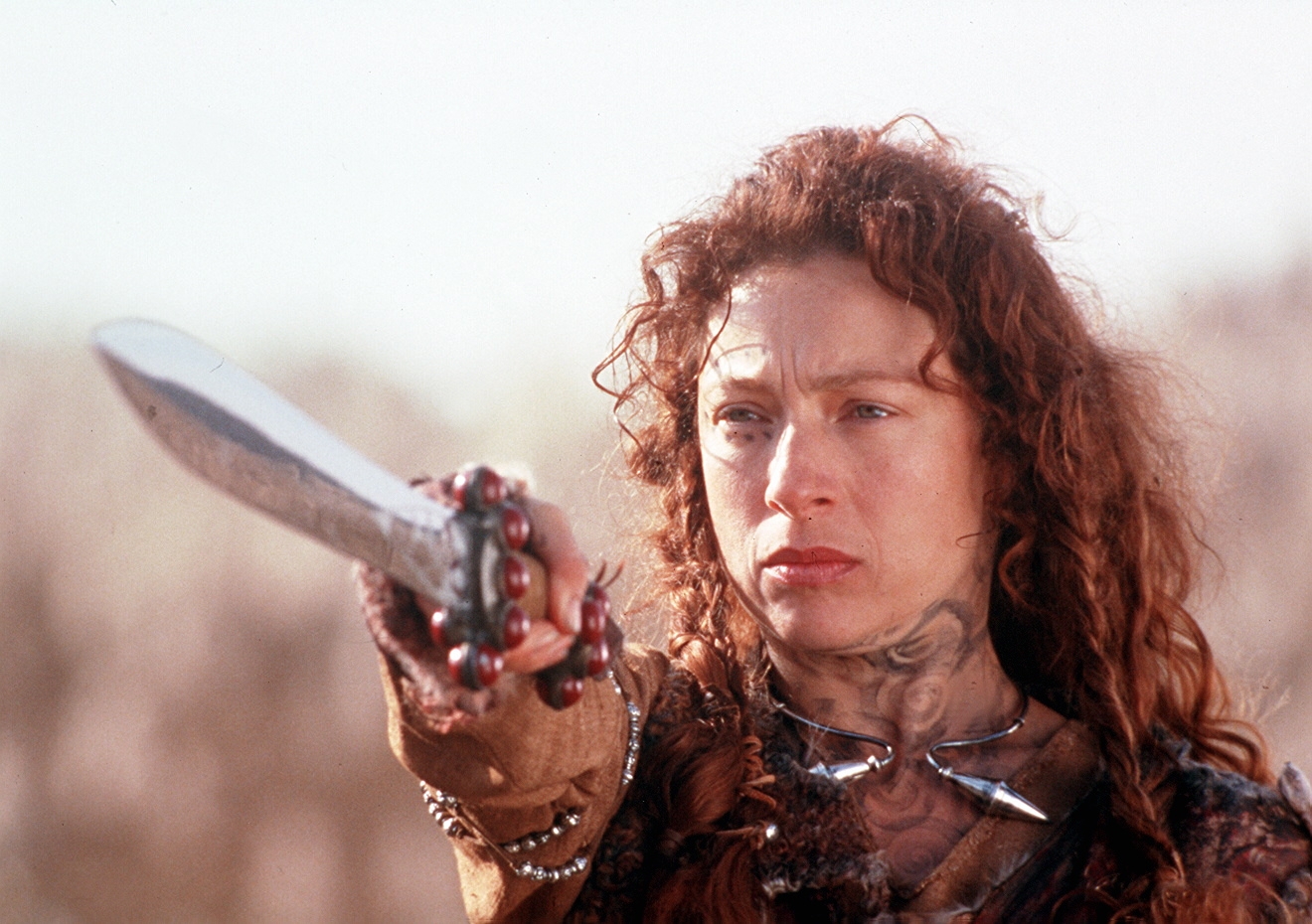
- 60–61: Celtic Queen Boudica leads a massive revolt against the Romans
-
-
- Boadicea (1927)
- Boudica (Warrior Queen) (2003)
- Boudica (2023)
-
-
- 60–61: Celtic Queen Boudica leads a massive revolt against the Romans
- Trajan (98-117)
- 108: Roman Britain’s “lost legion,” the Legio IX Hispana (Ninth Legion), last appears in historical records
-
-
- The Last Legion (2007)
- Centurion (2010)
- The Eagle (2011)
-
-
- 108: Roman Britain’s “lost legion,” the Legio IX Hispana (Ninth Legion), last appears in historical records
- Hadrian (117-138)
- 122: Emperor Hadrian visits Britain and orders the building of Hadrian’s Wall to mark the northern frontier
- Antoninus Pius (138-161)
- 142: Roman forces pushed north into lowland Scotland and built the Antonine Wall
- Julius Caesar (49–44 BC)
- Western Roman Empire
- Constantine the Great (306-337)
- 306: Constantine the Great is proclaimed Roman emperor at York (Eboracum) after his father Constantius dies there
- Valentinian I (364-375)
- 367: The “Barbarian Conspiracy” occurs, a coordinated multi-group assault by Picts, Scots, and Saxons that overwhelms Roman defenses
- Honorius (393-423)
- 410: Roman legions officially withdraw from Britain and Emperor Honorius sends the “Rescript of Honorius” telling British civitates (cities) to look to their own defense, marking the end of Roman administrative control
- Constantine the Great (306-337)
Part II. Middle Ages Britain
3. Dark Age – Anglo-Saxon Britain (410–1066)
-
- Early Migrations and Kingdoms (410–600s)
- c. 432 AD: Saint Patrick, a Romano-British Christian, is ordained as a bishop and embarks on a mission to Ireland to spread the Gospel
-
-
- St. Patrick: The Irish Legend (2000)
-
-
- 449: Germanic leaders Hengist and Horsa arrive in Kent, marking the traditional start of large-scale Angle, Saxon, and Jute settlement
-
-
- Lovespell (1981)
- Fire and Sword (1982)
- Tristan & Isolde (2006)
-
-
- c. 500: Setting of Beowulf, first epic poem written in Old English c. 700-1000; set in Scandinavia
-
-
- The 13th Warrior (1999)
- Beowulf & Grendel (2005)
- Beowulf (2007)
-
-
- 518: Britons defeat the advancing Saxons at the Battle of Mount Badon, temporarily halting expansion
-
-
- Arthur of the Britons (1972)
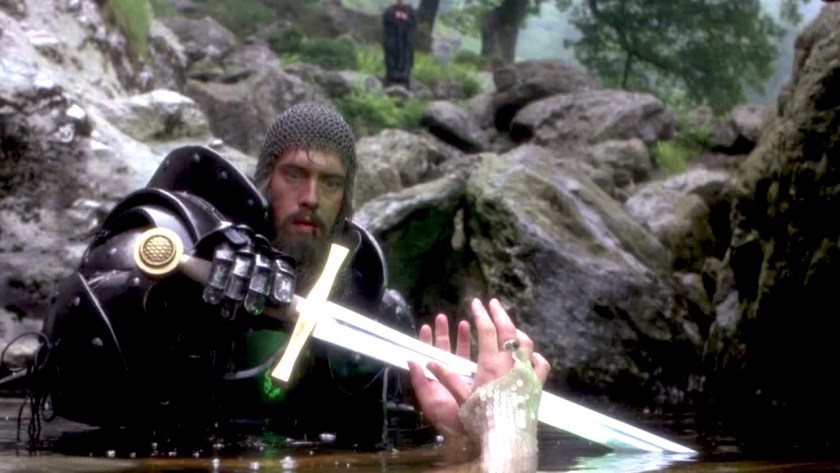
- Excalibur (1981)
- The Mists of Avalon (2001)
-
-
- 597: St. Augustine starts converting Anglo-Saxons to Christianity
- 650: Heptarchy forms, creating seven main kingdoms: Northumbria, Mercia, Wessex, Kent, East Anglia, Essex, and Sussex
- c. 432 AD: Saint Patrick, a Romano-British Christian, is ordained as a bishop and embarks on a mission to Ireland to spread the Gospel
- Viking Threat and Rise of Wessex (793–918)
- 793: Vikings attack and raid the holy monastery at Lindisfarne
-
-
- Vikings (TV 2013)
- A Viking Saga: The Darkest Day (2013)
-
-
- 865: The Great Heathen Army invades England, capturing kingdoms like East Anglia and Northumbria
-
-
- The Vikings (1958)
- Erik the Conqueror (1961)
- Attack of the Normans (1962)
-
-
- 878: King Alfred the Great of Wessex defeats the Viking leader Guthrum, establishing the Danelaw
-
-
- Alfred the Great (1969)
- The Saxon Chronicles (2006)
-
-
- 920: Edward the Elder and Æthelflæd reconquer the Five Boroughs of Danelaw (Leicester, Nottingham, Derby, Stamford, and Lincoln)
- 793: Vikings attack and raid the holy monastery at Lindisfarne
- Unification of England (927–1035)
- 927: King Æthelstan successfully unites the separate kingdoms into England
-
-
- The Last Kingdom (TV 2015)
- The Last Kingdom: Seven Kings Must Die (2023)
-
-
- 954: Eric Bloodaxe, the last independent Viking king of York, is expelled and killed
- 978: Æthelred the Unready is crowned king of the English
-
-
- The Ceremony of Innocence (1970)
-
-
- 1040: King Duncan I of Scots leads an attack against Northern rivals and is killed in battle near Elgin by Macbeth, who becomes King of Scots
-
-
- Macbeth (1971)
- Macbeth (1979)
- The Tragedy of Macbeth (2021)
-
-
- 1043: Lady Godiva and her husband Leofric found and endow a rich Benedictine monastery dedicated to St. Mary in Coventry on the ruins of an older nunnery
-
-
- Lady Godiva of Coventry (1955)
-
-
- September 25, 1066: The defeat of Harald Hardrada at the Battle of Stamford Bridge marks the final end of Viking royal ambitions in England
- 927: King Æthelstan successfully unites the separate kingdoms into England
- Early Migrations and Kingdoms (410–600s)
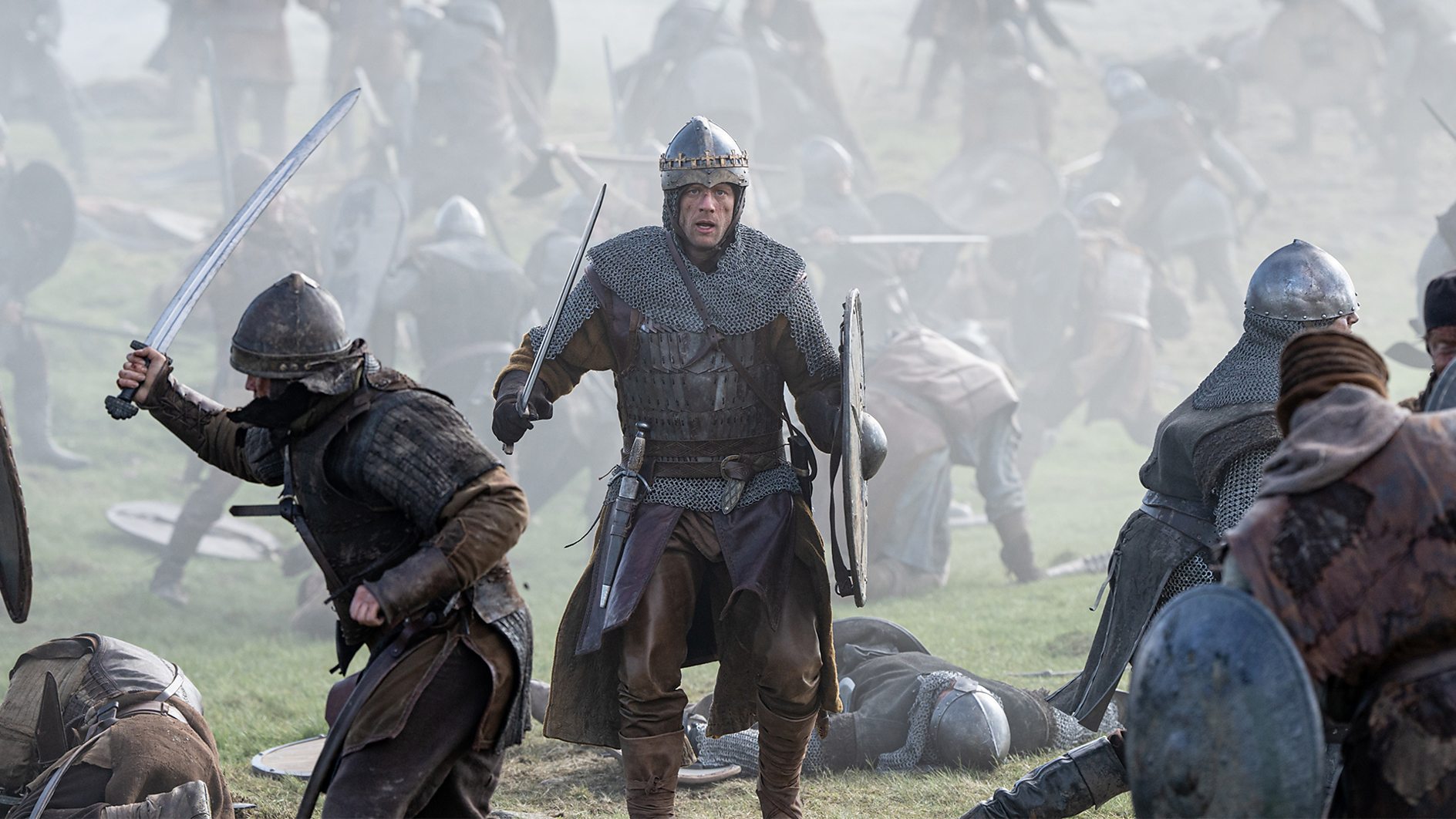
4. High Middle Age – Norman Britain (1066–1154)
-
- King William I of Normandy (1066-1087)
- Sept. 28, 1066: William, Duke of Normandy, lands his fleet at Pevensey, southern coast of England
-
-
- William the Conqueror (1982)
- William the Conqueror (2015)
-
-
- October 14, 1066: William defeats King Harold at the Battle of Hastings; Harold is killed
-
-
- 1066: The Battle for Middle Earth (2009)
- King & Conqueror (TV 2025)
-
-
- December 25, 1066: William the Conqueror is crowned King of England at Westminster Abbey
-
-
- Blood Royal: William the Conqueror (1990)
-
-
- 1068: The Harrying of the North suppresses northern English rebellions with severe military force
-
-
- The War Lord (1965)
-
-
- Sept. 28, 1066: William, Duke of Normandy, lands his fleet at Pevensey, southern coast of England
- King Stephen of Blois (1135-1154)
- 1139: Empress Matilda lands in England, starting a prolonged civil war known as The Anarchy
-
-
- The Pillars of the Earth (2010)
-
-
- 1139: Empress Matilda lands in England, starting a prolonged civil war known as The Anarchy
- King William I of Normandy (1066-1087)
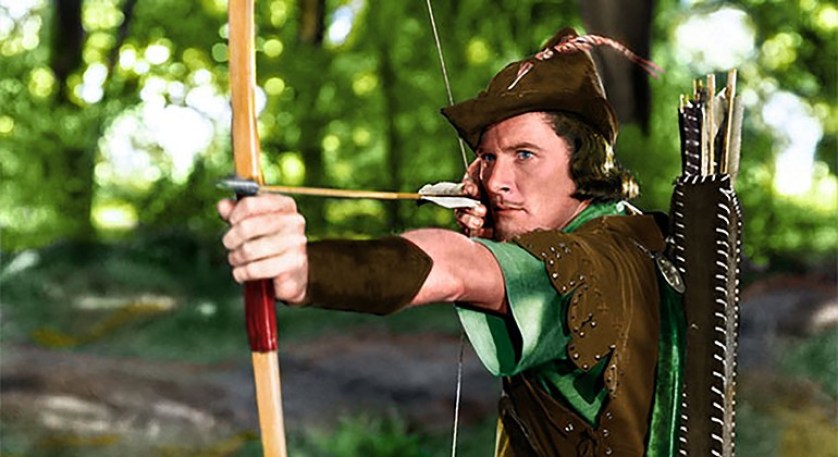
5. Late Middle Age – Plantagenet (1154–1485)
-
- Angevins (Henry II, Richard I, and John I – England, Anjou, & Aquitaine+)
- Henry II (1154-1189)
- 1154: Henry II of Anjou is crowned, starting the dynasty
- The Lion in Winter (1968)
- The Lion in Winter (2003)
- 1170: Archbishop Thomas Becket is murdered in Canterbury Cathedral
- Murder in the Cathedral (1951)
- Becket (1964)
- 1154: Henry II of Anjou is crowned, starting the dynasty
- Richard I (1189-1199)
- 1189: Richard I (the Lionheart) takes the throne – Third Crusade
- The Crusades (1935)
- King Richard and the Crusaders (1954)
- 1194: King Richard arrived back in England
- Ivanhoe (1952)
- Ivanhoe (1982)
- 1189: Richard I (the Lionheart) takes the throne – Third Crusade
- John I (1199-1216)
- 1199: John becomes king after Richard dies
- The Adventures of Robin Hood (1938)
- Robin Hood: Prince of Thieves (1991)
- 1215: King John signs the Magna Carta at Runnymede
- Ironclad (2011)
- Ironclad: Battle for Blood (2014)
- 1199: John becomes king after Richard dies
- Henry II (1154-1189)
- Main Plantagenet Line (1216–1399)
- Henry III (1216-1272)
- 1264: Simon de Montfort captures Henry at the Battle of Lewes during the Second Barons’ War, and the Prince Edward I defeats the baron forces.
- Edward I (1272-1307)
- 1272: Edward I (Longshanks) becomes king and later conquers Wales
- 1297: William Wallace’s Scottish army defeats English army at Battle of Stirling Bridge
- Braveheart (1995)
- Edward II (1307-1327)
- 1314: Robert the Bruce wins the legendary Battle of Bannockburn, crushing the English army of Edward II and securing Scottish freedom
- The Bruce (1996)
- Outlaw King (2018)
- 1314: Robert the Bruce wins the legendary Battle of Bannockburn, crushing the English army of Edward II and securing Scottish freedom
- Edward III (1327-1377)
- 1337: Edward lays claim to the French throne, marking the start of the Hundred Years’ War.
- 1348–1349: The devastating plague known as the Black Death sweeps through England.
- Richard II (1377-1399)
- 1387-1400: Geoffrey Chaucer’s The Canterbury Tales written
- The Canterbury Tales (1972)
- A Knight’s Tale (2001)
- 1387-1400: Geoffrey Chaucer’s The Canterbury Tales written
- Henry III (1216-1272)
- Plantagenet Houses of Lancaster (Red Rose) and York (White Rose) (1399–1485)
- Henry IV of Lancaster (1399-1413)
- 1403: Henry defeats the rebel Percy family (led by Harry “Hotspur”) at the Battle of Shrewsbury.
- Chimes at Midnight (1965)
- The Hollow Crown: Henry IV (2012)
- 1403: Henry defeats the rebel Percy family (led by Harry “Hotspur”) at the Battle of Shrewsbury.
- Henry V of Lancaster (1413-1422)
- 1420: The Treaty of Troyes is signed, recognizing Henry as the heir and regent of France, and Henry marries Catherine of Valois, daughter of King Charles VI of France.
- Shakespeare’s Henry V (1989)
- Shakespeare’s The King (2019)
- 1420: The Treaty of Troyes is signed, recognizing Henry as the heir and regent of France, and Henry marries Catherine of Valois, daughter of King Charles VI of France.
- Henry VI of Lancaster (1422-1461)
- 1431: Joan of Arc fights during Hundred Years’ War
- The Passion of Joan of Arc (1928)
- The Messenger: The Story of Joan d’Arc (1999)
- 1455: The Wars of the Roses begins between Lancaster (Red Rose) and York (White Rose)
- Robert Louis Stevenson’s The Black Arrow (1985)
- The Hollow Crown: The Wars of the Roses (2016)
- 1431: Joan of Arc fights during Hundred Years’ War
- Edward IV of York (1461-1470)
- 1464: Edward married Elizabeth Woodville in a secret ceremony, a match that later caused political friction with his chief advisor, the Earl of Warwick
- The White Queen (TV 2013)
- 1464: Edward married Elizabeth Woodville in a secret ceremony, a match that later caused political friction with his chief advisor, the Earl of Warwick
- Henry VI of Lancaster (restored: 1470–71)
- Edward IV of York (restored: 1471-1483)
- Edward V of York (1483)
- Richard III of York (1483-1485)
- 1485: Richard III was killed at the Battle of Bosworth Field, marking the end of the Wars of the Roses and the start of the Tudor dynasty
- Shakespeare’s Richard III (1955)
- 1485: Richard III was killed at the Battle of Bosworth Field, marking the end of the Wars of the Roses and the start of the Tudor dynasty
- Henry IV of Lancaster (1399-1413)
- Angevins (Henry II, Richard I, and John I – England, Anjou, & Aquitaine+)
Part III. Early Modern Britain
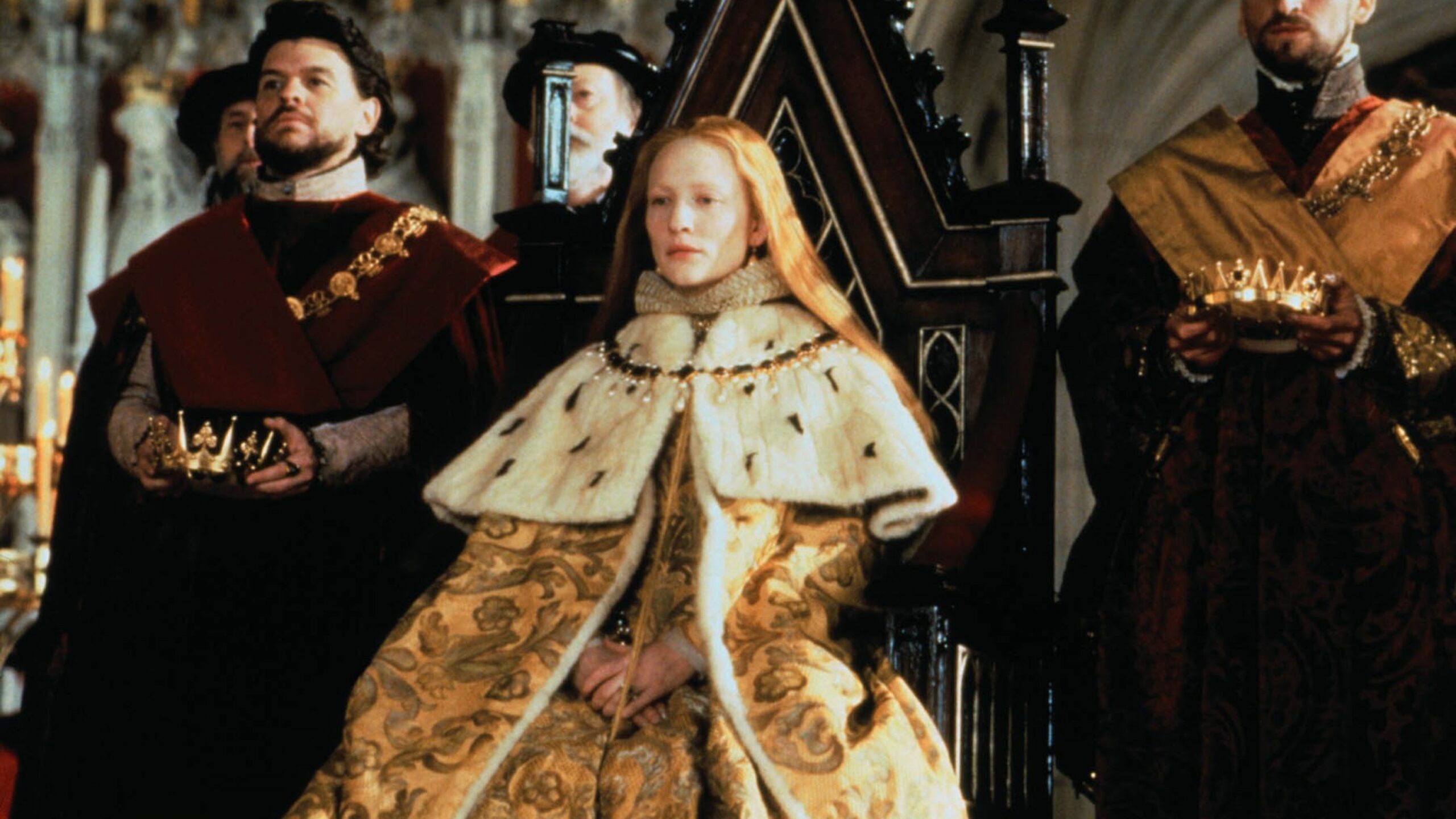
6. Reformation – Tudor (1485–1603)
-
- Henry VII (1485–1509)
- 1485: Henry Tudor wins the Battle of Bosworth. He becomes King Henry VII, ending the Wars of the Roses, and then he marries Elizabeth of York
- 1497: John Cabot sails to North America and reaches Newfoundland
- Henry VIII (1509–1547)
- 1509: Henry VIII takes the throne and marries Catherine of Aragon
-
- The Private Life of Henry VIII (1933)
- Robert Shaw’s A Man for All Seasons (1966)
-
- 1533: Henry VIII marries Anne Boleyn after divorcing Catherine of Aragon
-
- Anne of the Thousand Days (1969)
- The Other Boleyn Girl (2008)
-
- 1534: The Act of Supremacy makes the king the head of the Church of England, starting the English Reformation
-
- Henry VIII and His Six Wives (1972)
- Firebrand (2023)
- Six: The Musical Live! (2025)
-
- 1509: Henry VIII takes the throne and marries Catherine of Aragon
- Edward VI (1547–1553)
- 1549: The first Protestant Book of Common Prayer is introduced
-
- Mark Twain’s The Prince and the Pauper (1937)
-
- 1549: The first Protestant Book of Common Prayer is introduced
- Lady Jane Grey (1553)
- 1553: Lady Jane Grey is proclaimed Queen of England and Ireland for only nine days
-
- Tudor Rose (Nine Days a Queen) (1936)
- Lady Jane (1986)
-
- 1553: Lady Jane Grey is proclaimed Queen of England and Ireland for only nine days
- Mary I (1553–1558)
- 1553–1558: Mary I restores the Roman Catholic faith and executes many Protestants
- Elizabeth I (1558–1603)
- 1558: Mary I dies; her half-sister becomes Queen Elizabeth I
-
- Elizabeth (1998)
-
- 1588: England defeats the invading Spanish Armada
-
- Elizabeth: The Golden Age (2007)
-
- 1599: William Shakespeare’s Globe Theatre opened in London
-
- Shakespeare in Love (1998)
-
- 1558: Mary I dies; her half-sister becomes Queen Elizabeth I
- Henry VII (1485–1509)
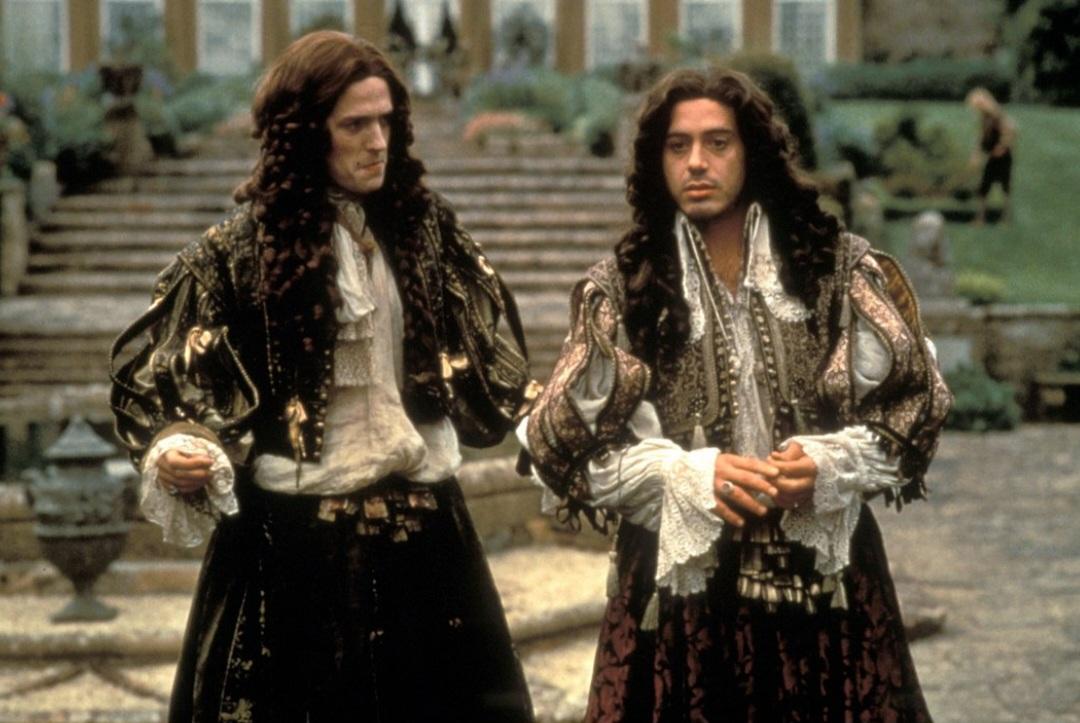
7. Enlightenment – Stuart & Commonwealth (1603–1714)
-
- Early Stuarts
- 1603: James VI of Scotland becomes James I of England, uniting the crowns
- 1605: The Gunpowder Plot fails to blow up Parliament
- 1609: Shakespeare’s Sonnets published
- 1611: The King James Bible is published
- 1629: Charles I (son of James) begins eleven years of personal rule without summoning Parliament
- 1637: Charles imposes a new prayer book on Scotland, sparking rebellions
- 1642: English Civil War between Royalists (Cavaliers) and Parliamentarians (Roundheads), heavily drawing support from Puritans seeking church reform
- The Commonwealth and Protectorate (Interregnum)
- 1649: Charles I is put on trial and executed; the English Republic (Commonwealth) is declared
- 1649–1653: Oliver Cromwell leads brutal military campaigns in Ireland and Scotland
- 1653: The Commonwealth is replaced by the Protectorate, with Oliver Cromwell ruling as Lord Protector
- Stuart Restoration
- 1660: The monarchy is restored; Charles II takes the throne
- 1665: The Great Plague strikes London
- 1666: The Great Fire of London destroys much of the medieval city
- 1685: Charles II dies; his Catholic brother James II becomes king
- 1688: The Glorious Revolution deposes James II
- 1689: William III and Mary II become joint monarchs, accepting the English Bill of Rights
- 1702: Queen Anne takes the throne upon William’s death
- 1707: The Acts of Union formally unite England and Scotland into Great Britain
- Early Stuarts
8. Revolutions – Georgian Era (1714–1837)
-
- King George I (1714–1727)
- 1715: The first major Jacobite rising in Scotland fails
- 1721: Sir Robert Walpole becomes Britain’s first de facto Prime Minister
- King George II (1727–1760)
- 1739: The War of Jenkins’ Ear begins against Spain
- 1745: The second Jacobite rising (“the Forty-Five”) is defeated at the Battle of Culloden
-
- Outlander (TV 2014)
-
- 1752: Britain adopts the Gregorian calendar, skipping 11 days
- King George III (1760–1820)
- 1775: The American Revolutionary War begins
- 1783: Britain signs the Treaty of Paris, recognizing American independence
- 1788: King George III suffers his first major bout of mental illness
- 1789: The French Revolution begins, leading to decades of war
- 1801: The Acts of Union unite Great Britain and Ireland
-
- Hornblower (TV 1998)
-
- 1807: The slave trade is abolished across the British Empire
- The Regency Era (1811–1820)
- 1811: Prince of Wales becomes Prince Regent due to his father’s ongoing illness, starting Regency Era
-
- Bridgerton (TV 2020)
-
- 1815: Napoleon is defeated at the Battle of Waterloo
-
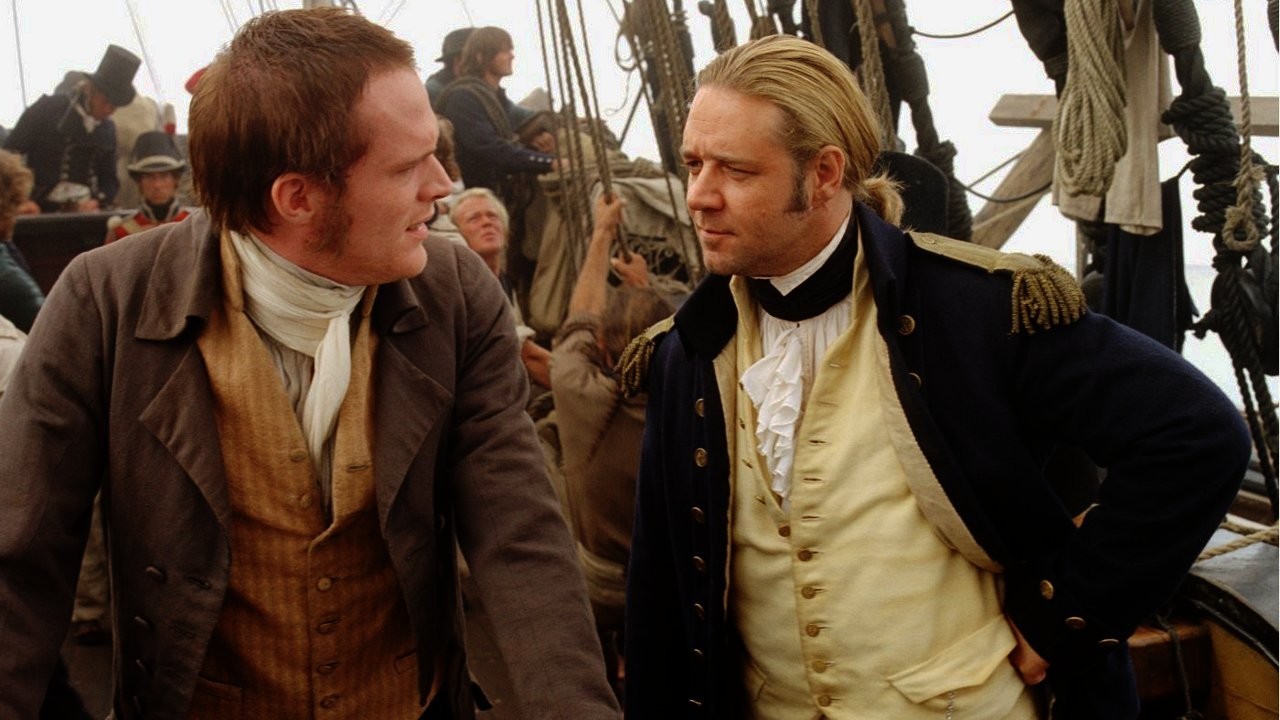
- Master and Commander: The Far Side of the World (2003)
-
- 1811: Prince of Wales becomes Prince Regent due to his father’s ongoing illness, starting Regency Era
- King George IV (1820–1830)
- 1820: George IV becomes king in his own right after George III dies
- 1825: The world’s first public railway steam locomotive line opens
- King William IV (1830–1837)
- 1833: The Slavery Abolition Act ends slavery throughout most of the British Empire
- King George I (1714–1727)
Part IV. Late Modern Britain
9. Industrial Age – Victorian Era (1837–1901)
-
- Early Victorian Period (1837–1851)
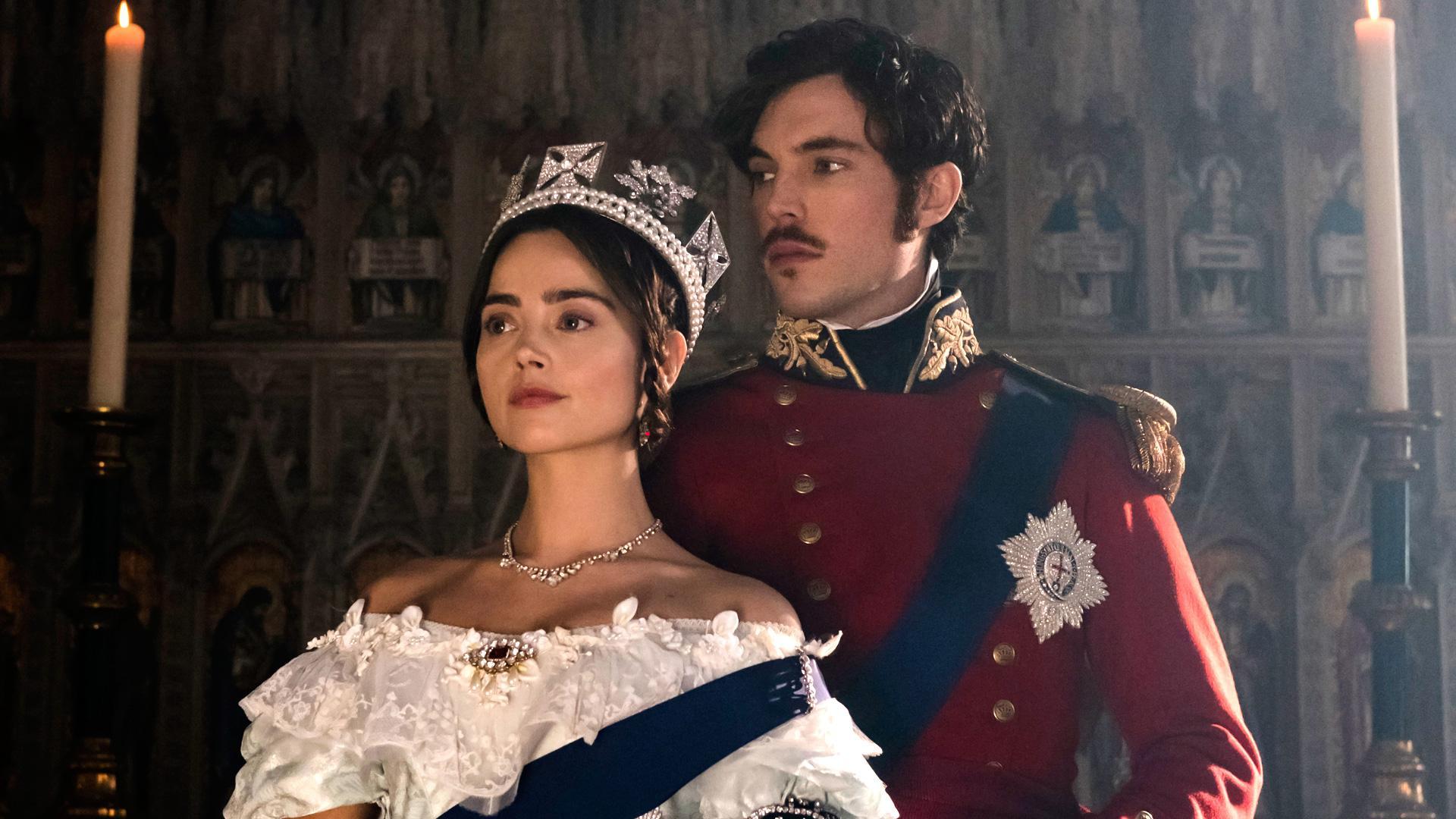
- 1837: Victoria becomes Queen at age 18; marries Prince Albert three years later
- 1838: Charles Dickens publishes Oliver Twist
-
- Oliver Twist (1948)
-
- 1845–1852: The Irish Potato Famine causes widespread starvation and mass migration
- 1851: The Great Exhibition opens in London at the Crystal Palace, showcasing global industrial and technological power
- Mid-Victorian Period (1851–1873)
- 1854–1856: Britain fights in the Crimean War against Russia
- 1857: The Indian Rebellion challenges British rule, leading to direct crown control over India
- 1859: Charles Darwin publishes On the Origin of Species, sparking major scientific and religious debate
- 1861: Prince Albert dies, throwing the Queen into deep public mourning
- Late Victorian Period (1873–1901)
- 1876: Queen Victoria is named Empress of India
-
- Victoria & Abdul (2017)
-
- 1879: The Anglo-Zulu War takes place in southern Africa
- 1888: The “Jack the Ripper” murders terrorize Whitechapel in London
- 1901: Queen Victoria dies, ending the Victorian Era
- 1876: Queen Victoria is named Empress of India
- Early Victorian Period (1837–1851)
10. Edwardian & Windsor (1901–Present)
-
- King Edward VII – Edwardian Era (1901–1910)
- 1901: Queen Victoria dies; her son, King Edward VII takes the throne
- 1902: The Second Boer War ends
- 1903: The Women’s Social and Political Union begins the militant suffragette campaign for women’s voting rights
- 1904: Britain and France sign the Entente Cordiale, easing foreign tensions
- 1908–1909: The Liberal government introduces early-age pensions and national insurance, laying foundations for the welfare state
- King George V – World War I Era (1910–1936)
- 1910: Edward VII dies; King George V succeeds him
- 1912: The RMS Titanic sinks on its maiden voyage
- 1914–1918: World War I: Millions of soldiers die; women fill civilian workforce roles on a massive scale
- 1917: King George V changes the royal house name from Saxe-Coburg-Gotha to the House of Windsor to distance the family from Germany during the war
- 1918: The Armistice is signed. The Representation of the People Act grants voting rights to certain women over 30
- 1936: George V dies. Edward VIII ascends, but abdicates later that year to marry Wallis Simpson, and George VI takes the throne
-
- The King’s Speech (2010)
-
- King George VI – World War II and Post-War Recovery (1939–1952)
- 1939–1945: World War II – Britain endures the Blitz
-
- Darkest Hour (2017)
-
- 1947: India and Pakistan gain independence, signaling the large-scale contraction of the British Empire
- 1948: Postwar Labour government creates National Health Service (NHS)
- 1939–1945: World War II – Britain endures the Blitz
- Queen Elizabeth II – Modern Elizabethan Era (1952-2022)
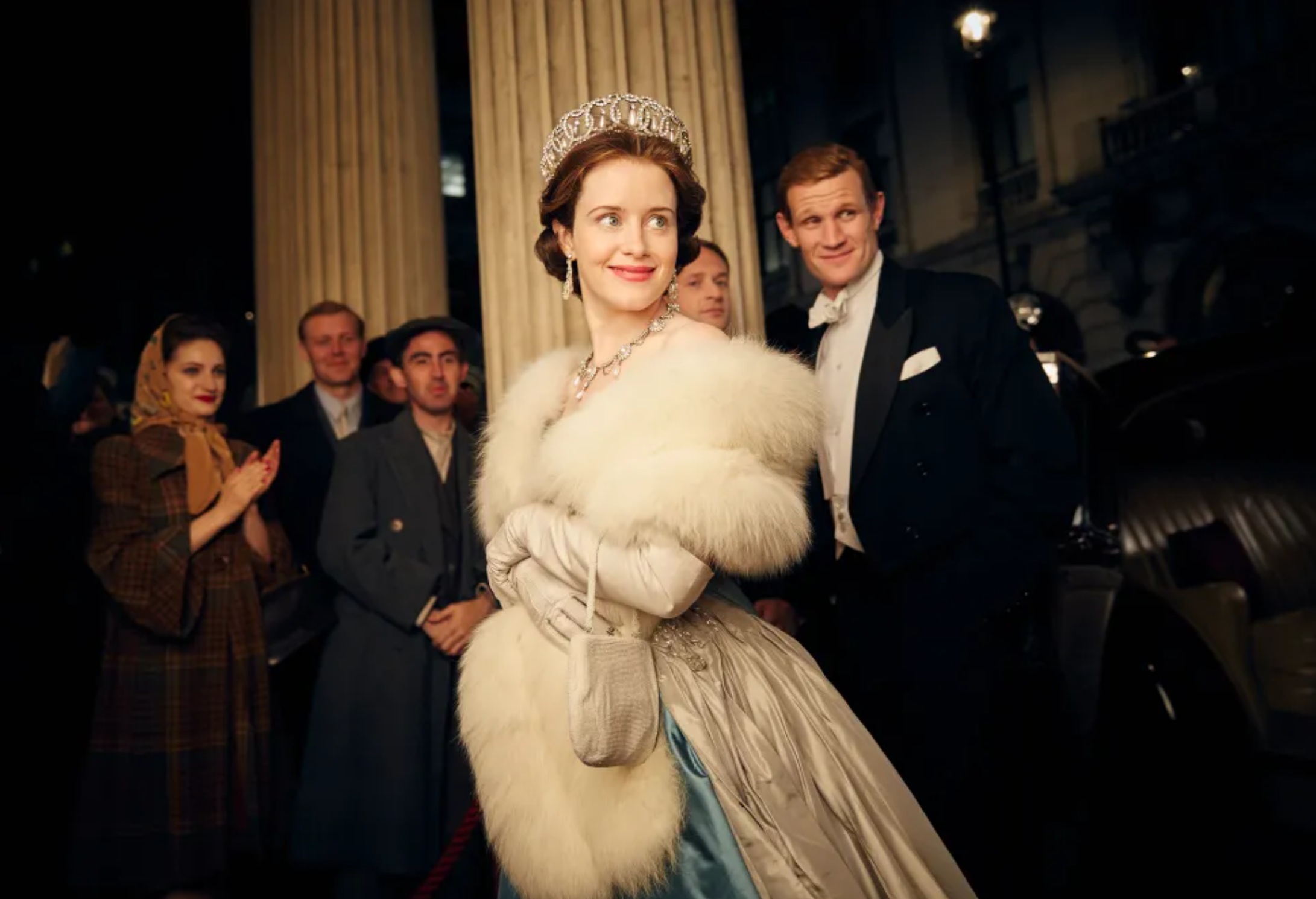
- 1952: King George VI dies and Queen Elizabeth II begins her historic reign
- 1973: UK joins the European Economic Community (EU precursor)
- 1979: Margaret Thatcher becomes Britain’s first female prime minister
- 1997: Death of Diana, Princess of Wales, widespread public grief
- 2016: The UK votes in a referendum to leave the European Union (Brexit)
- King Charles III – Contemporary Era (2022-Present)
- 2022: Queen Elizabeth II passes away; King Charles III accedes to throne
- King Edward VII – Edwardian Era (1901–1910)