
Social Studies Glossaries
Social Studies Glossaries of Vocabulary Words
Human Understanding
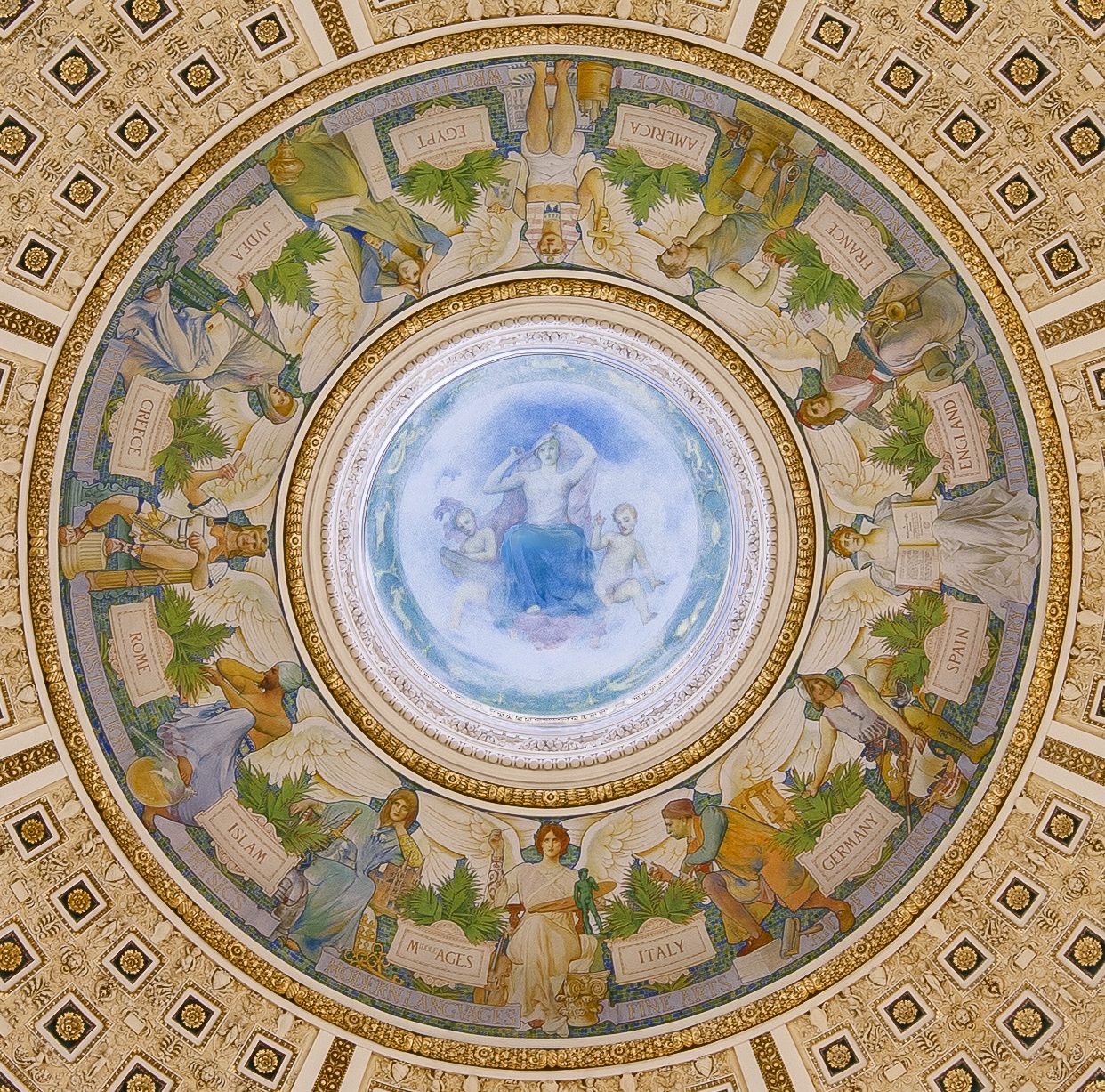
The Thomas Jefferson Building of the Library of Congress in Washington, D.C. features a large mural by Edwin Blashfield, Human Understanding, in the dome of the Main Reading Room. It represents lifting the veil of ignorance and looking towards intellectual progress. The twelve allegorical figures represent countries and epochs that contributed to Western civilization.
-
- Egypt (Written Records)
- Judea (Religion)
- Greece (Philosophy)
- Rome (Administration)
- Islam (Physics)
- Middle Ages (Modern Languages)
- Italy (Fine Arts)
- Germany (Art of Printing)
- Spain (Discovery)
- England (Literature)
- France (Emancipation)
- America (Science)
Four Corners of Knowledge
1. Government
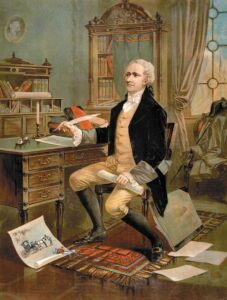
Merit-based expert civil servants who manage the daily operations of government, regardless of party politics, make up the professional bureaucracy. Alexander Hamilton was the nation’s first Secretary of the Treasury, while he was not non-partisan, he helped establish merit-based expertise as part of a knowledge-based government bureaucracy for the United States.

2. Academia
Academia serves four primary purposes for knowledge. First, it preserves and organizes information. Second, it creates new knowledge through research. Third, it transmits insights through education. And fourth it challenges societal norms to build a better future based on expert research, evidence-based techniques.
Thomas Jefferson was the primary author of the Declaration of Independence, and the third president of the United States. He is also partly remembered for the founding of the University of Virginia, and for selling his personal library to become the beginning of the Library of Congress, which represent important contributions to building America’s academic infrastructure.
3. Science
Science, through the scientific method and peer review, is how knowledge is researched and analyzed, leading to technological breakthroughs. Edwin Blashfield’s mural Human Understanding identifies science as the key attribute the United States contributes to world civilization.
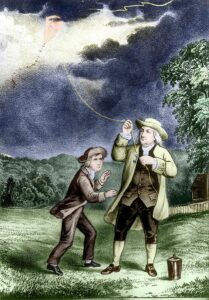
Founding Father Benjamin Franklin was a the first great scientist of the United States. He made groundbreaking contributions to physics and meteorology, and his electrical experiments earned him international acclaim.
4. Media
Media is how knowledge is gathered and disseminated throughout society. Samuel Adams was a Founding Father, political philosopher, and principal leader of the Sons of Liberty in colonial Massachusetts. He used his skills as a political writer in newspapers like the Boston Gazette to organize protests like the Boston Tea Party, enforce boycotts of British goods, and rally colonists against taxation without representation. The United States protects and harnesses the power of the free press with the First Amendment to the Constitution.
World Religions
Abrahamic Religions
-
-
- Christianity – 2.3 billion (1st largest religion; 31% of world)
- Islam – 1.9 billion (2nd largest religion; 25% of world)
- Judaism – 15 million (12th largest religion; 0.2% of world)
- Other Abrahamic (Baháʼí Faith, Mandaeism, Samaritanism, etc.)
-
Indian (Dharmic) Religions
-
-
- Hinduism – 1.2 billion (3rd largest religion; 15% of world)
- Buddhism – 500 million (4th largest religion; 7% of world)
- Sikhism – 30 million (10th largest religion)
- Jainism – 5 million
-
East Asian (Daoic/Taoic & Shamanist) Religions
-
-
- Chinese Folk Religion (Traditional Chinese, Confucianism, Daoism/Taoism, etc.) – 400 million (5th largest religious system)
- Shintoism (Japan) – 84 million (7th largest religion)
- Muism/Musok (Korean Shamanism) – 10 million
- Tengriism (Turco-Mongol Shamanism) – 1 million
-
African (Traditional & Diaspora) Religions
-
-
- West African Religions (Yoruba, Akan, Igbo, etc.) – 100 million (6th largest religious grouping)
- African Diaspora Religions (Voodoo, Cuban Santería, Jamaican Rastafari, etc.) – 60 million (9th largest)
- Bantu (Central & East African) Religions (Shona, Zulu, Congo, etc.) – 24 million (11th largest)
- Khoisan (Southern African) Religions (San, Khoikhoi, etc.) – 300,000
-
Iranian (Persian) Religions
-
-
- Druze (Golan Heights area)- 800,000
- Yazidi (Western Iraqi Kurdistan) – 700,000
- Yarsanism – 500,000
- Zoroastrian – 100,000
-
Other Religions
-
-
- Eastern New Religions (Falun Gong, Tenrikyo, Cheondoism, etc.) – 67 million (8th largest)
- Western Esotericism (New Age, Spiritism, Spiritualism, etc.) – 14 million
- Modern Paganism (Wicca, Neo-Druidism, Heathenry, etc.) – 2 million
- Western New Religions (Jediism, UFO, Scientology, etc.) – 475,000
-
Non-religious (Irreligious)
Unaffiliated, agnostic, atheist, etc. – 1.9 billion
Teacher Pyramids
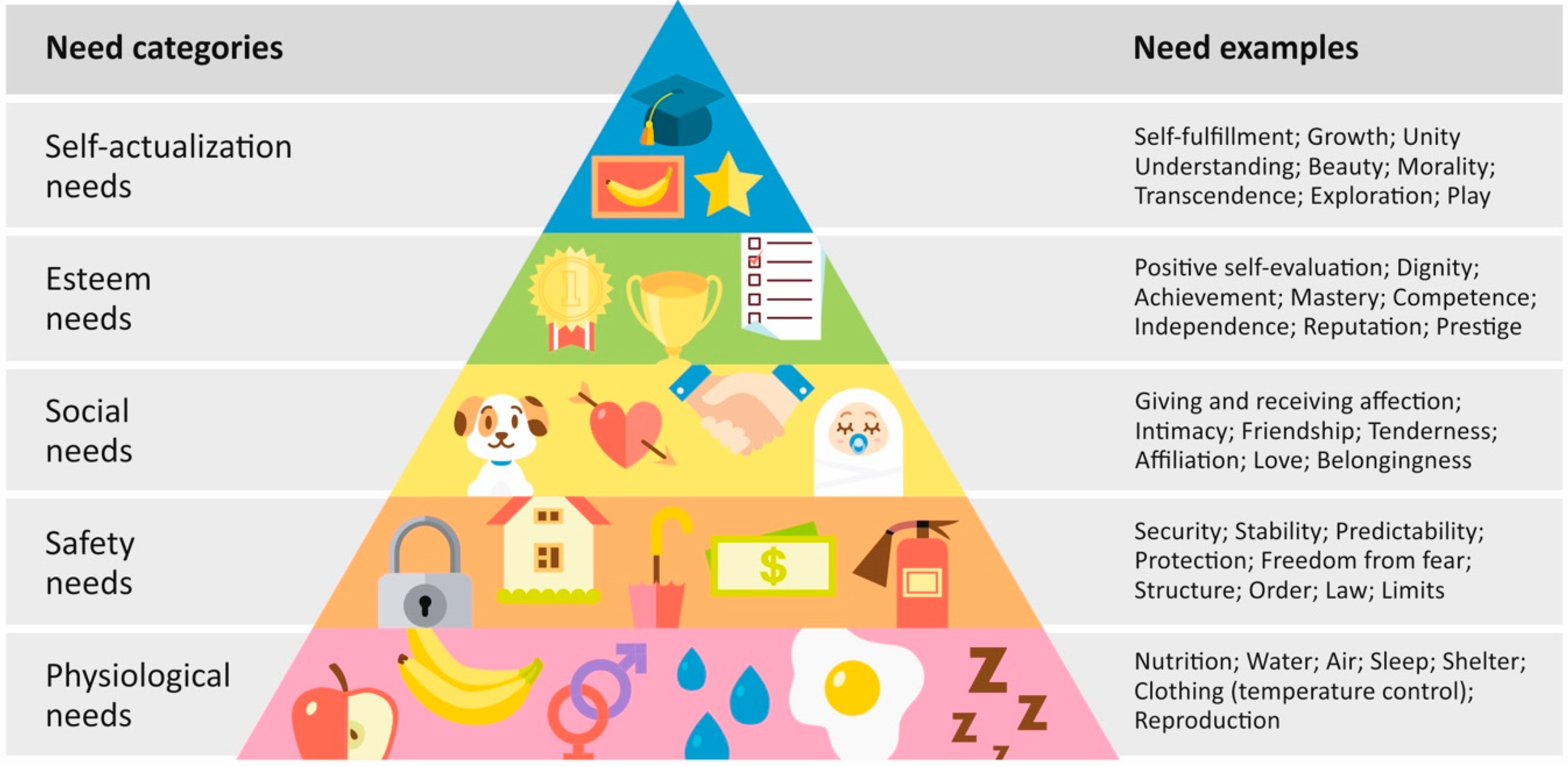
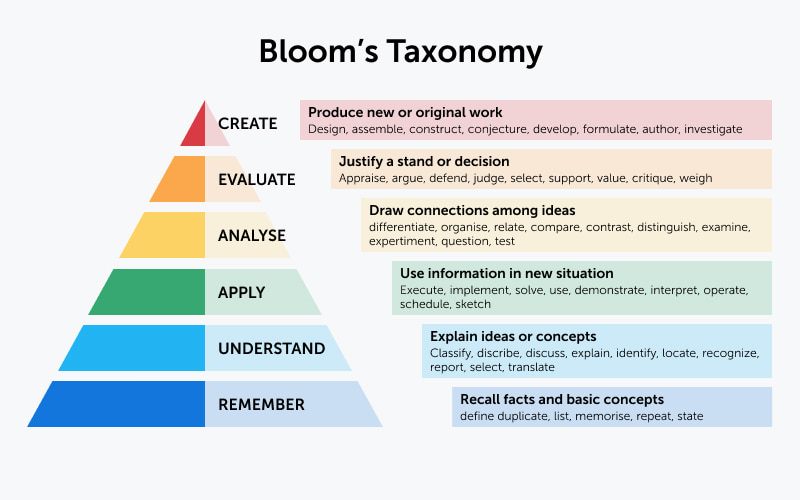
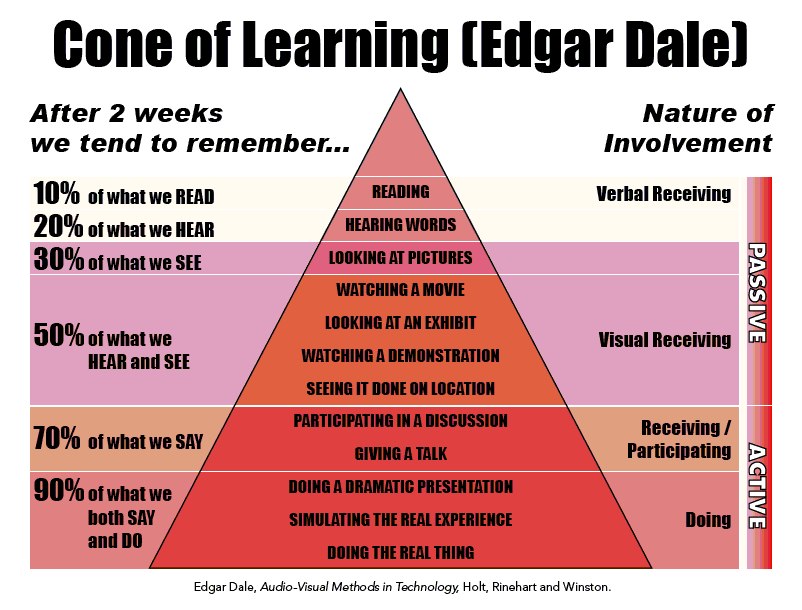

Connections Review Matching Game
Intro Unit
Ancient History
Mesopotamia
Ancient Egypt
Indus Valley Civilization
Ancient China Shang Dynasty
World Geography
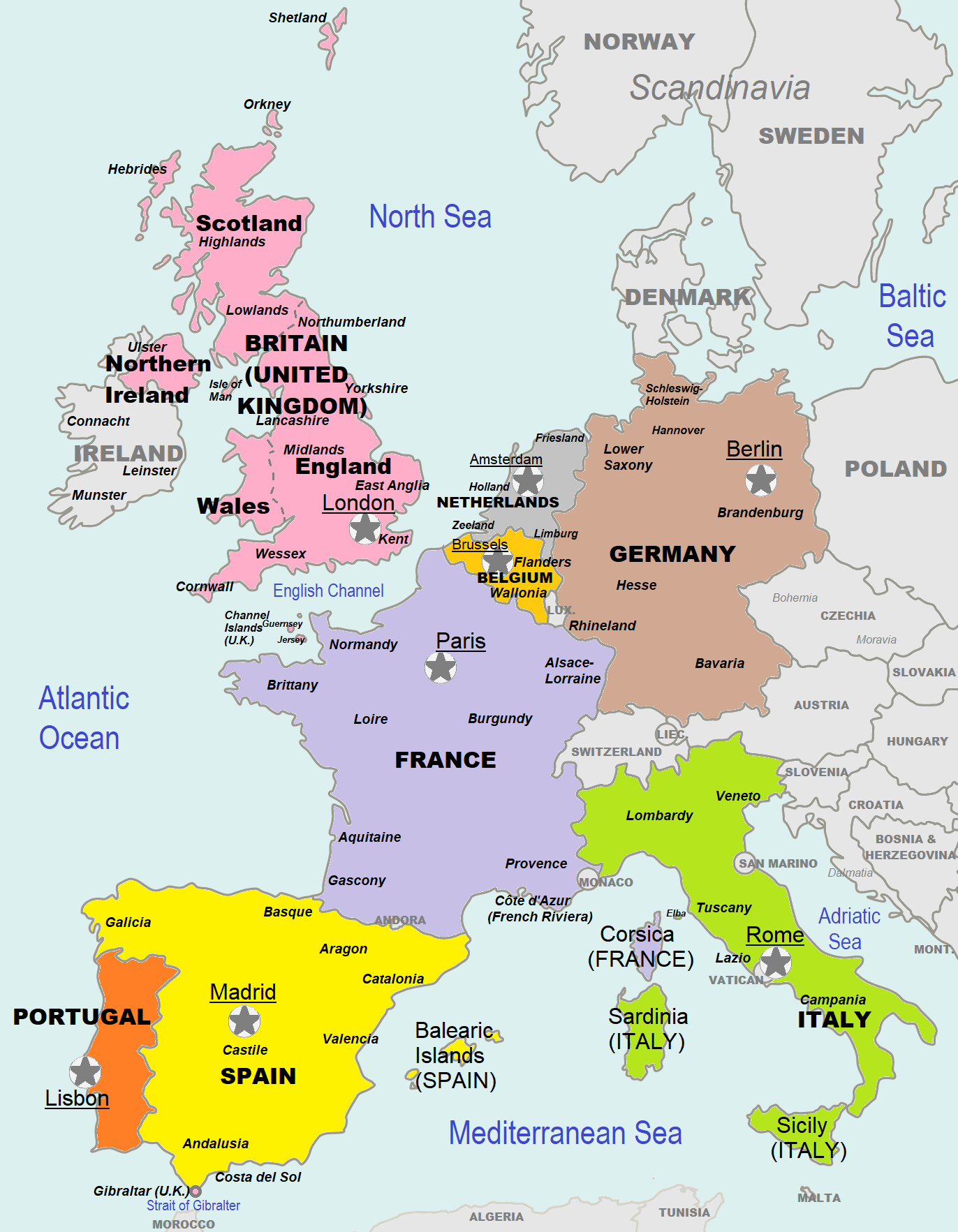
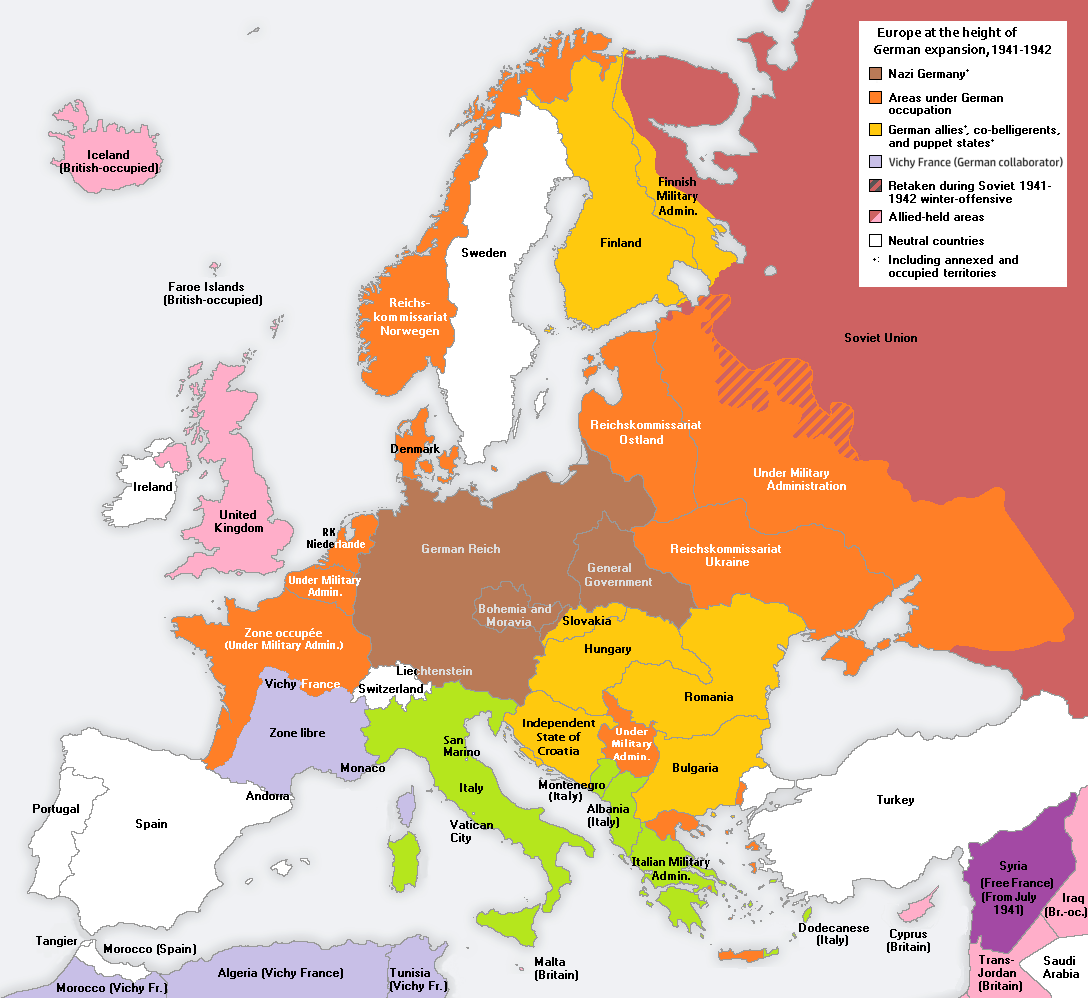
0. Western Europe
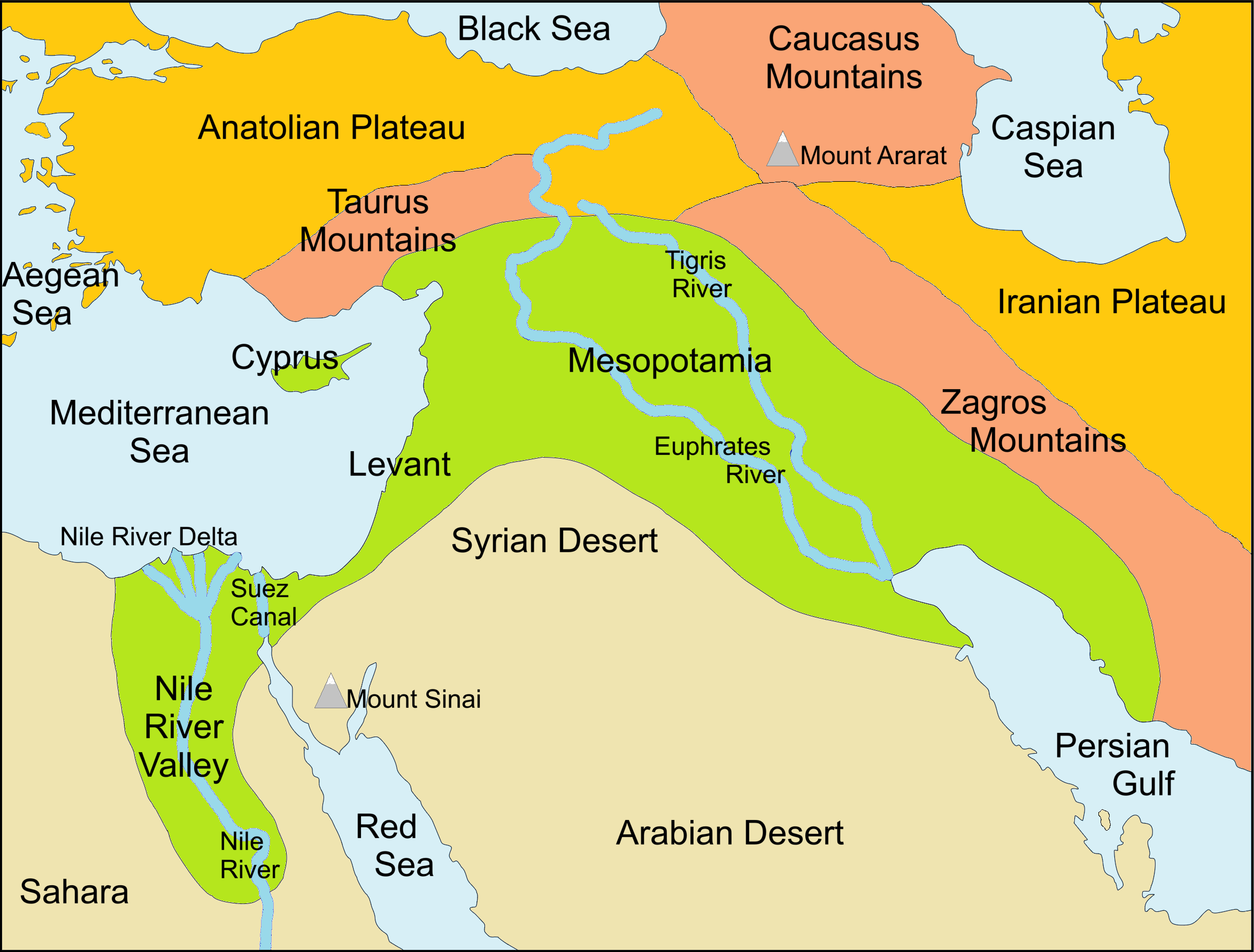
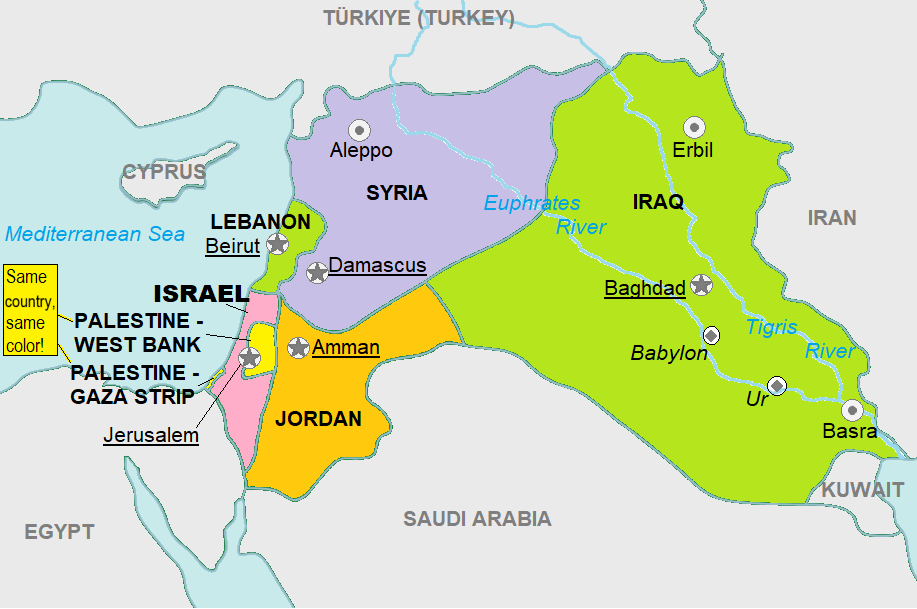
1. Fertile Crescent-Mesopotamia – Core Middle East – Focus: Iraq
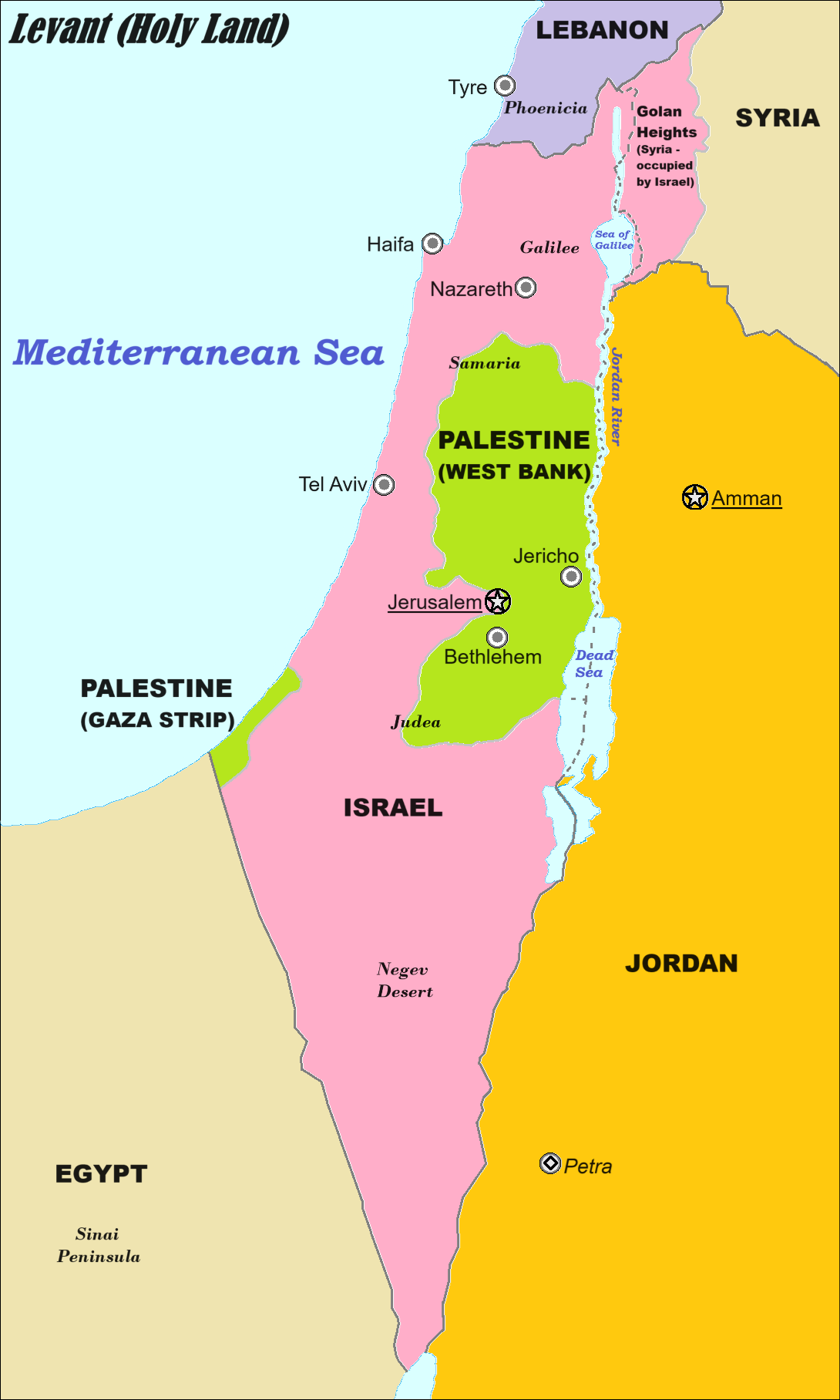
2. Levant-Holy Land Middle East – Focus Israel & Palestine
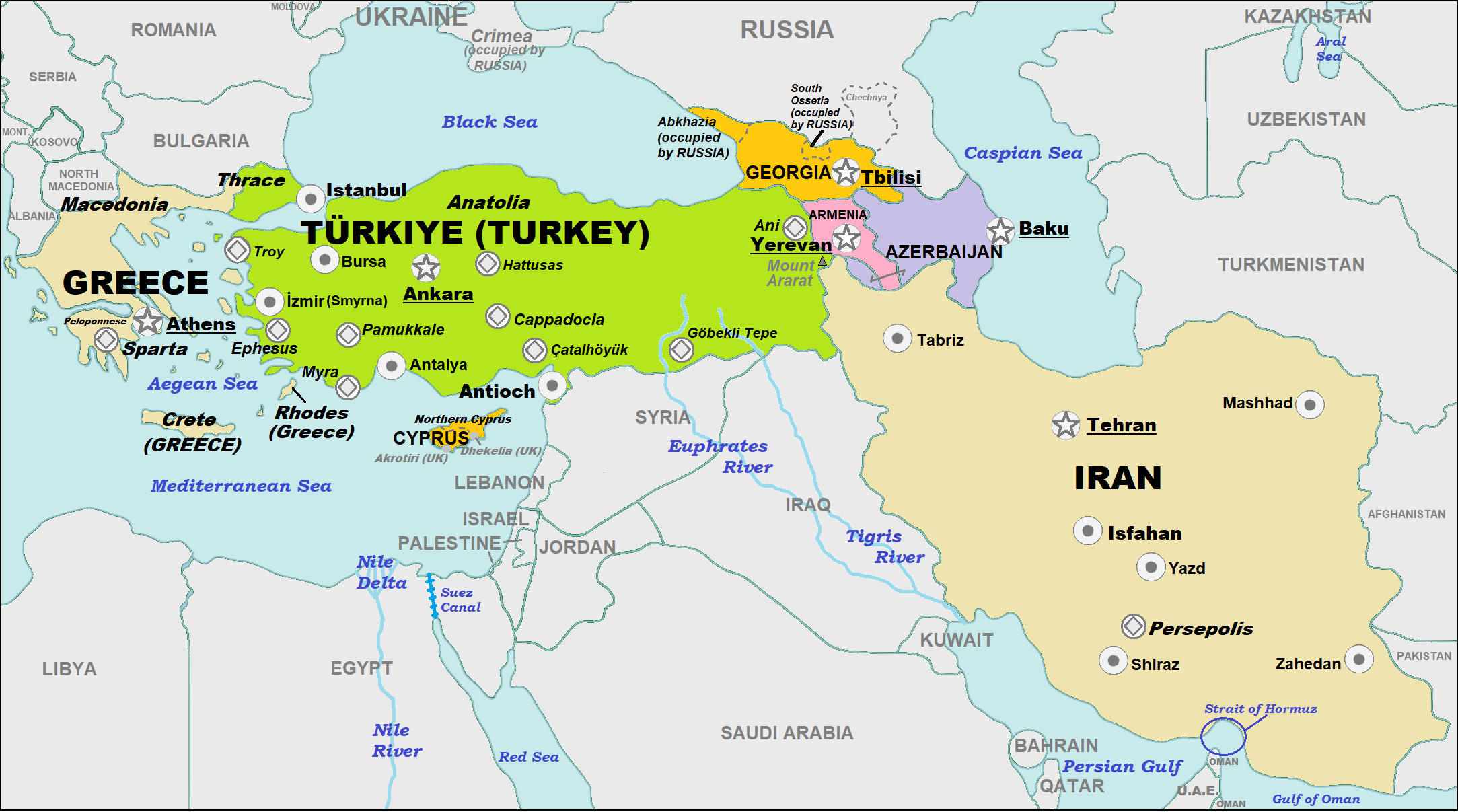
3. Greece & Upper Middle East (Near East, Caucasus, and Iran) – Focus: Türkiye (Turkey)
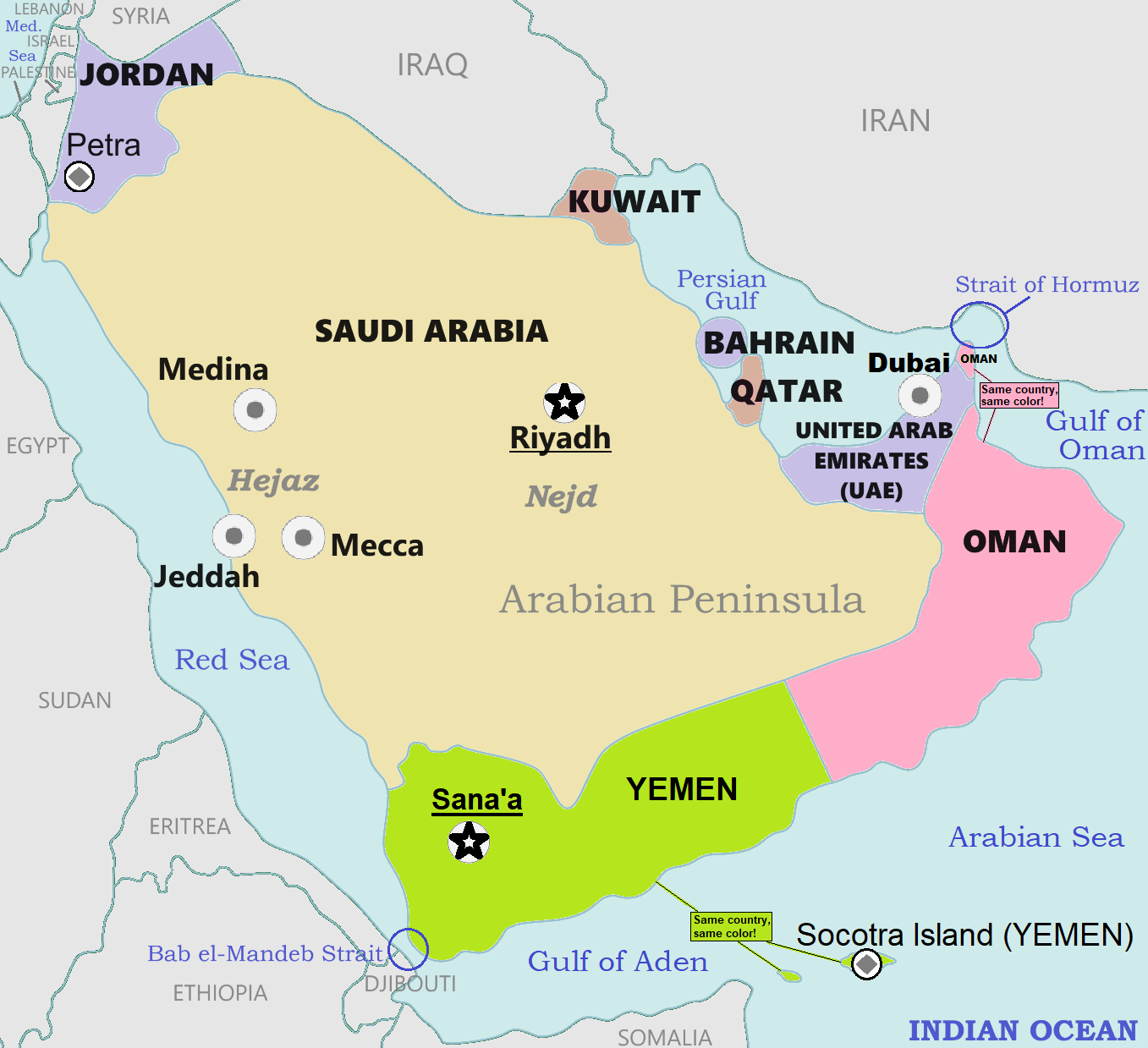
4. Arabian Peninsula Middle East – Focus: Saudi Arabia
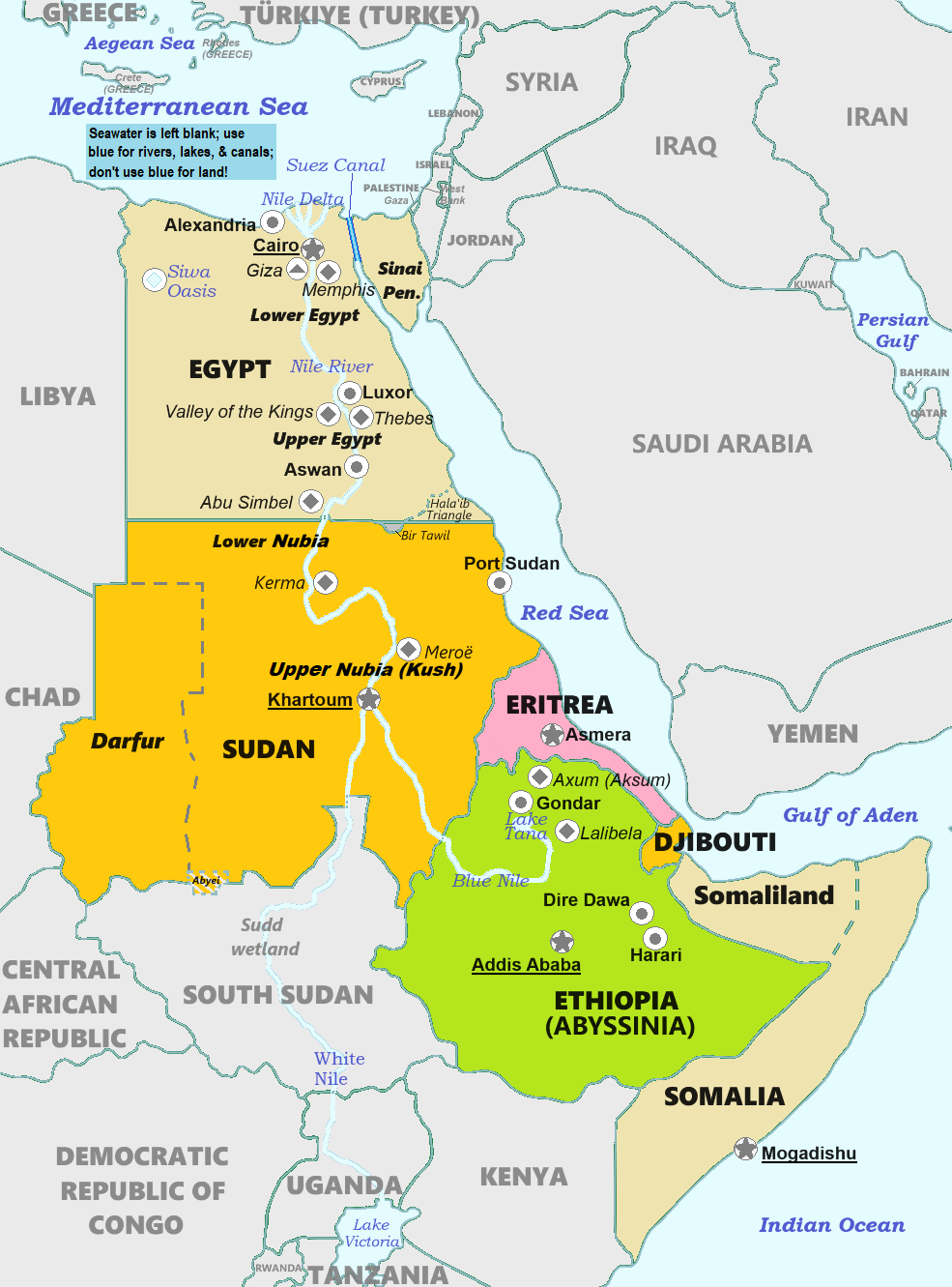
5. Egypt (Kemet) Northeast Africa – Focus: Egypt & Ethiopia
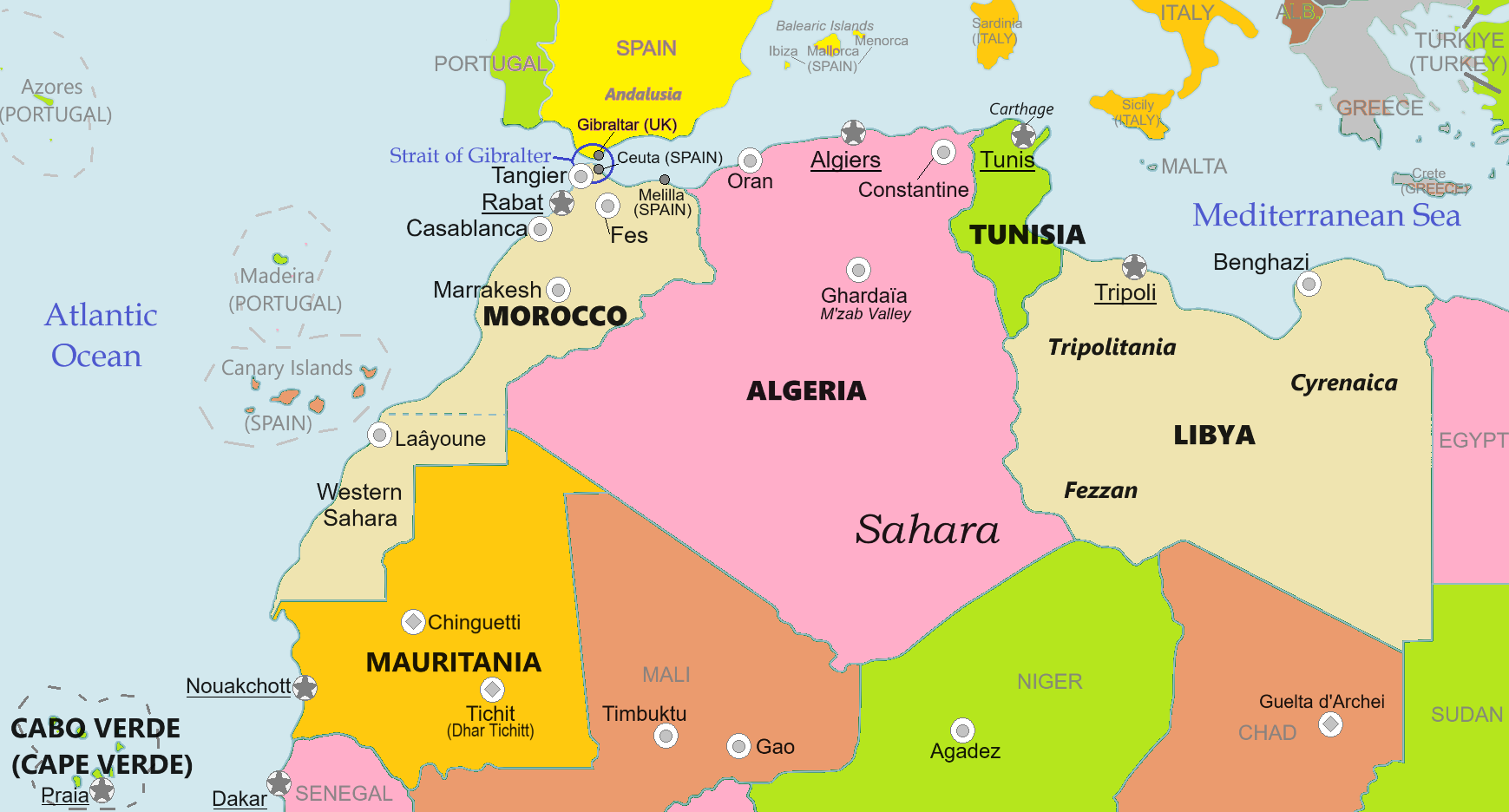
6. Maghreb Northwest Africa – Focus: Morocco & Tunisia
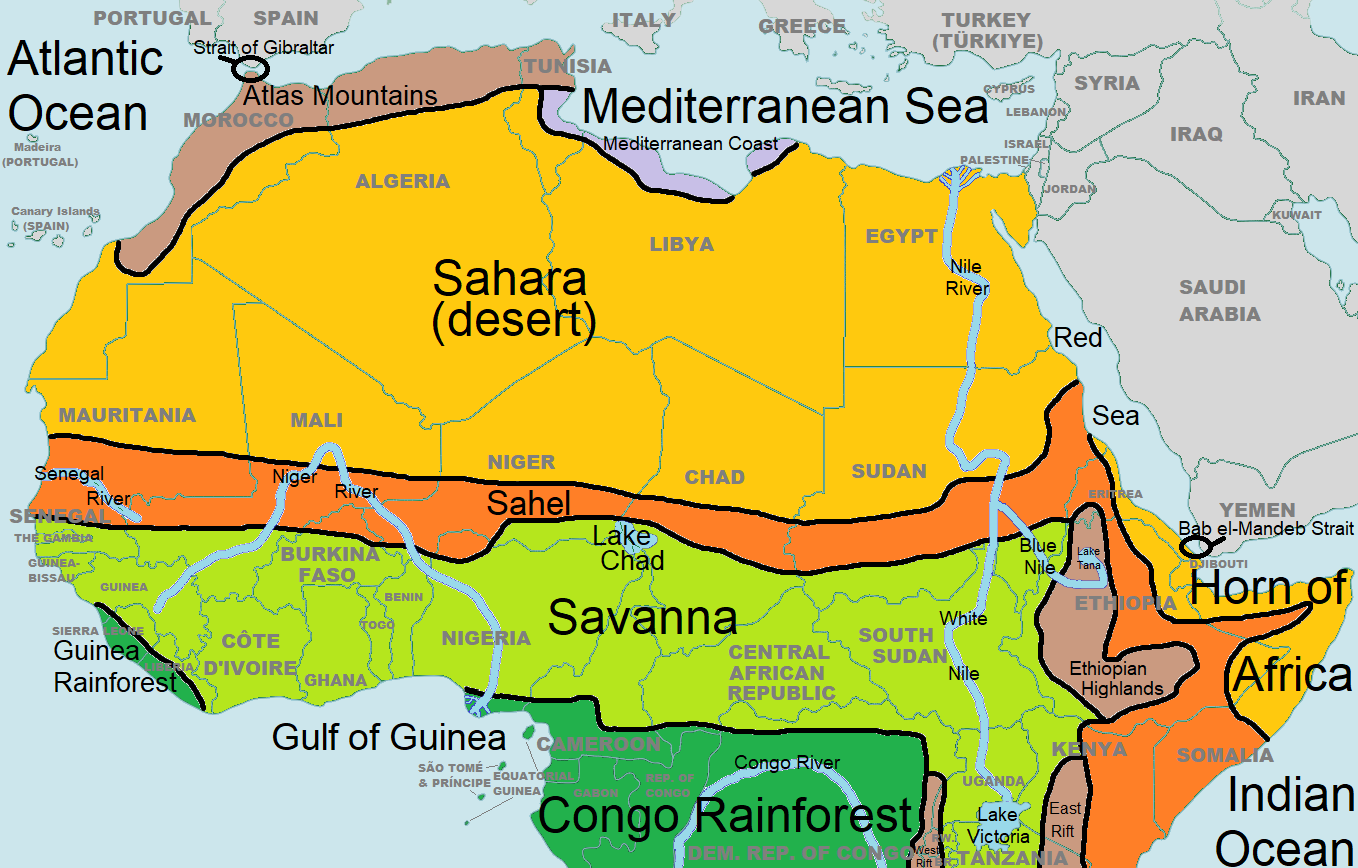
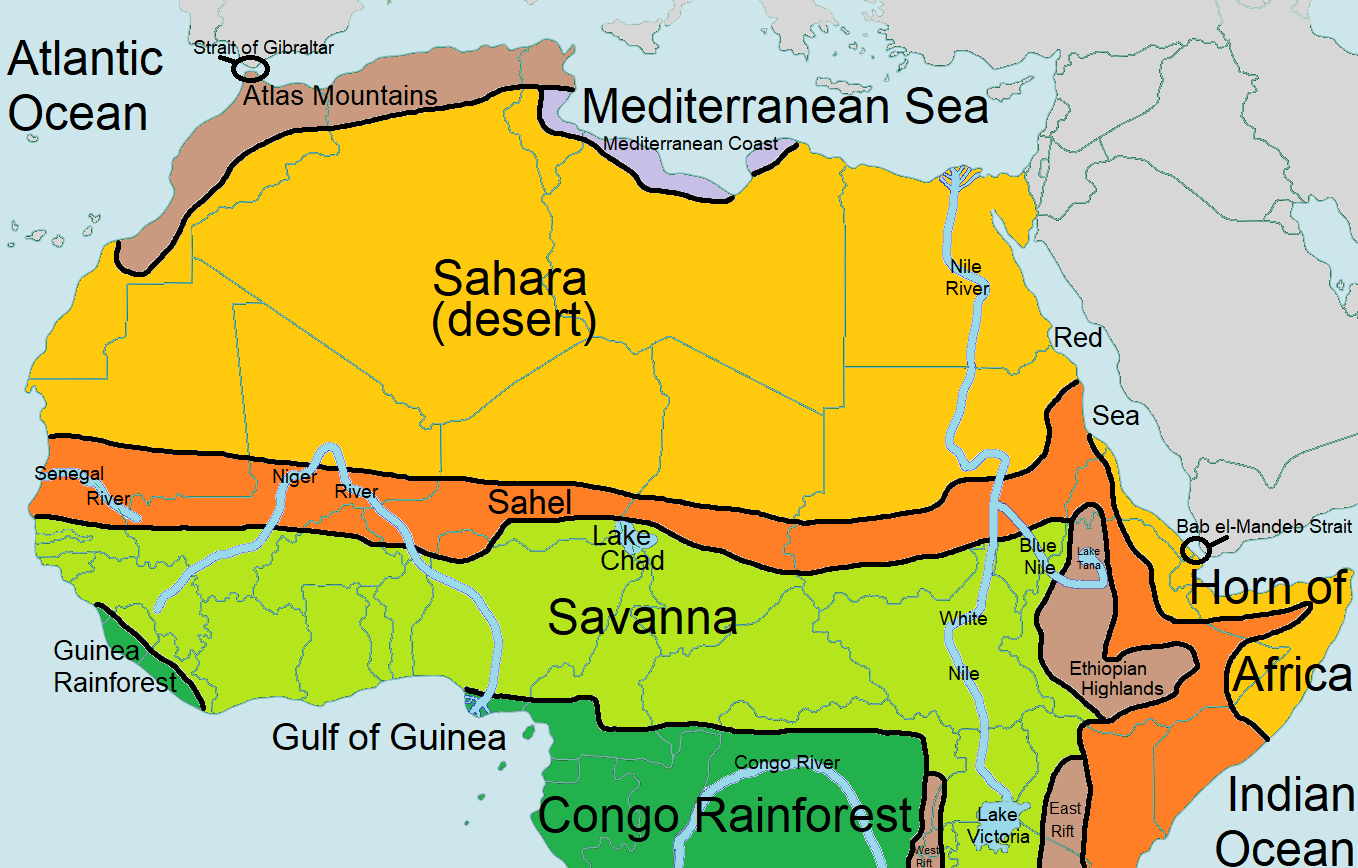
Northern Africa Physical Map
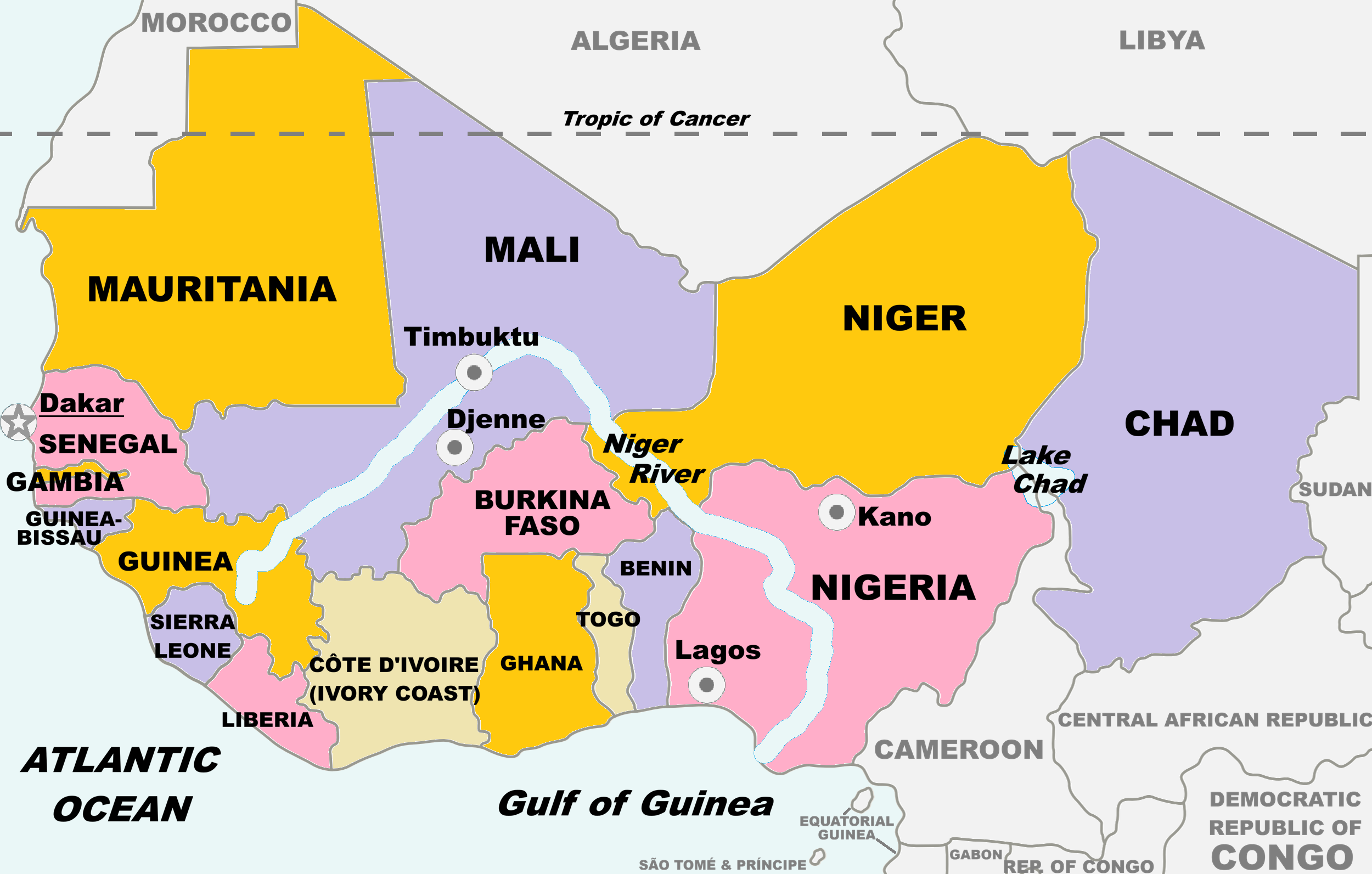
7. Sahel-West Africa Political Map – Focus: Mali
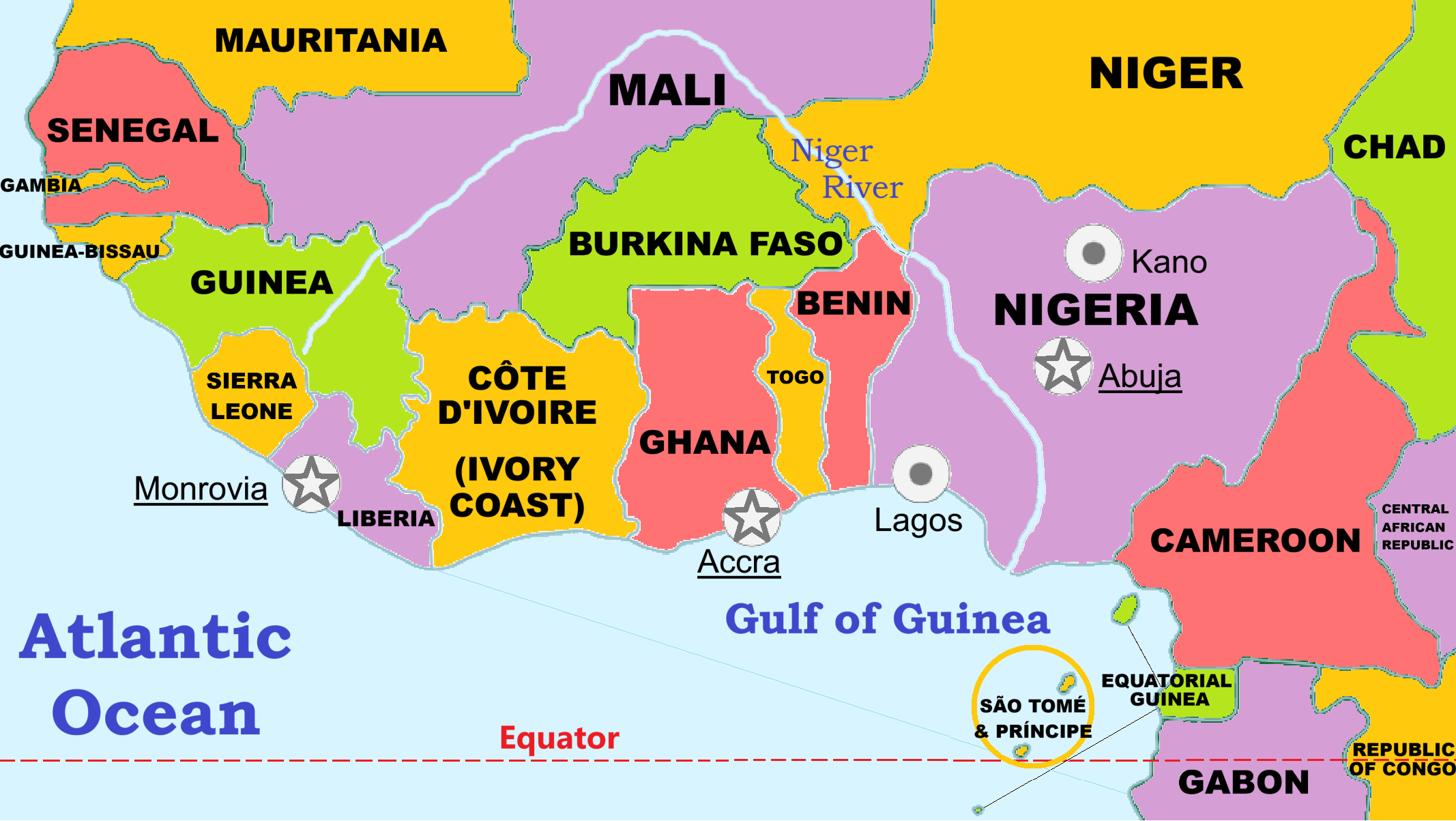
8. Gulf of Guinea-West Africa Political Map – Focus: Nigeria & Liberia
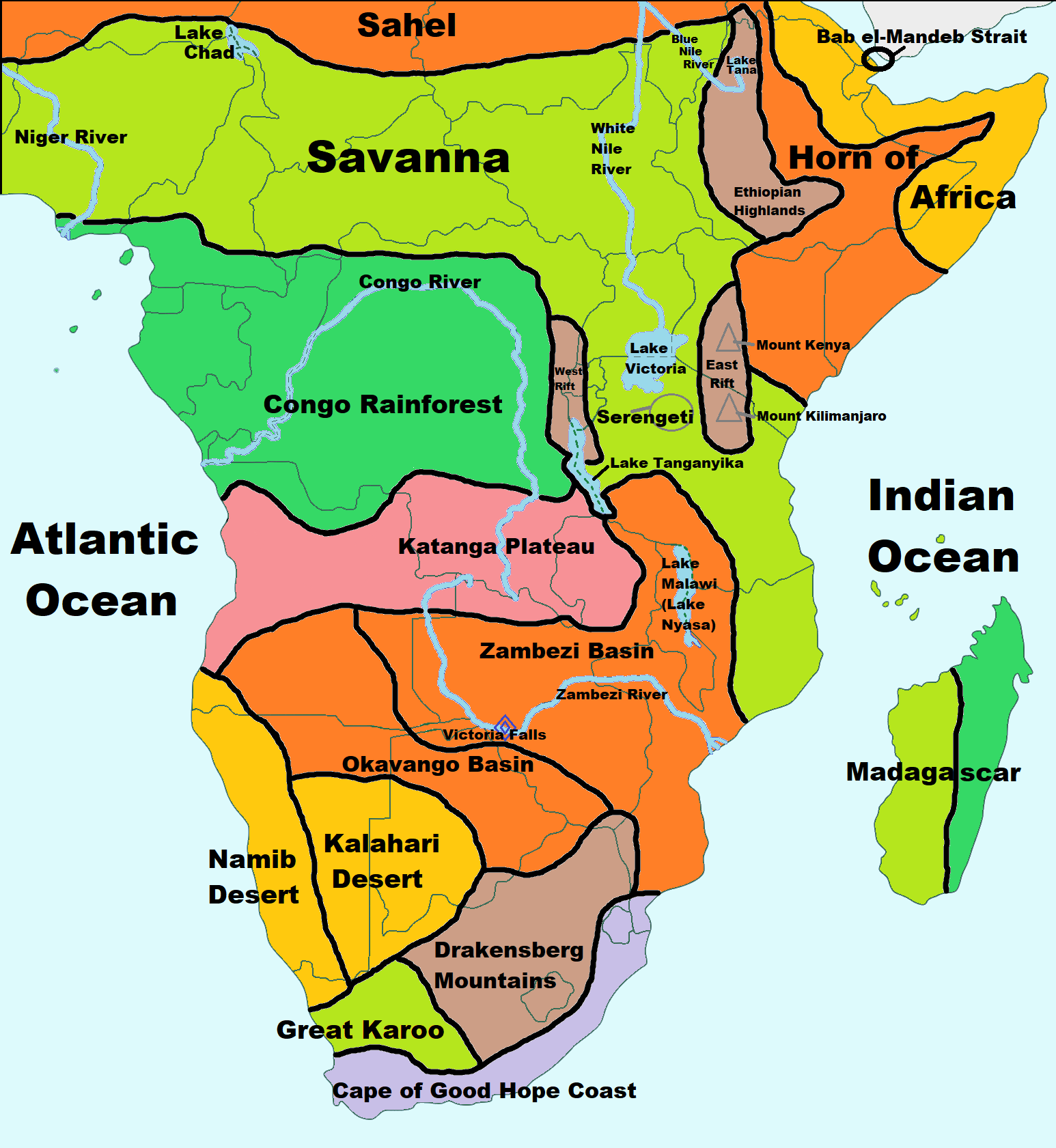
Equatorial-Southern Africa Physical Map
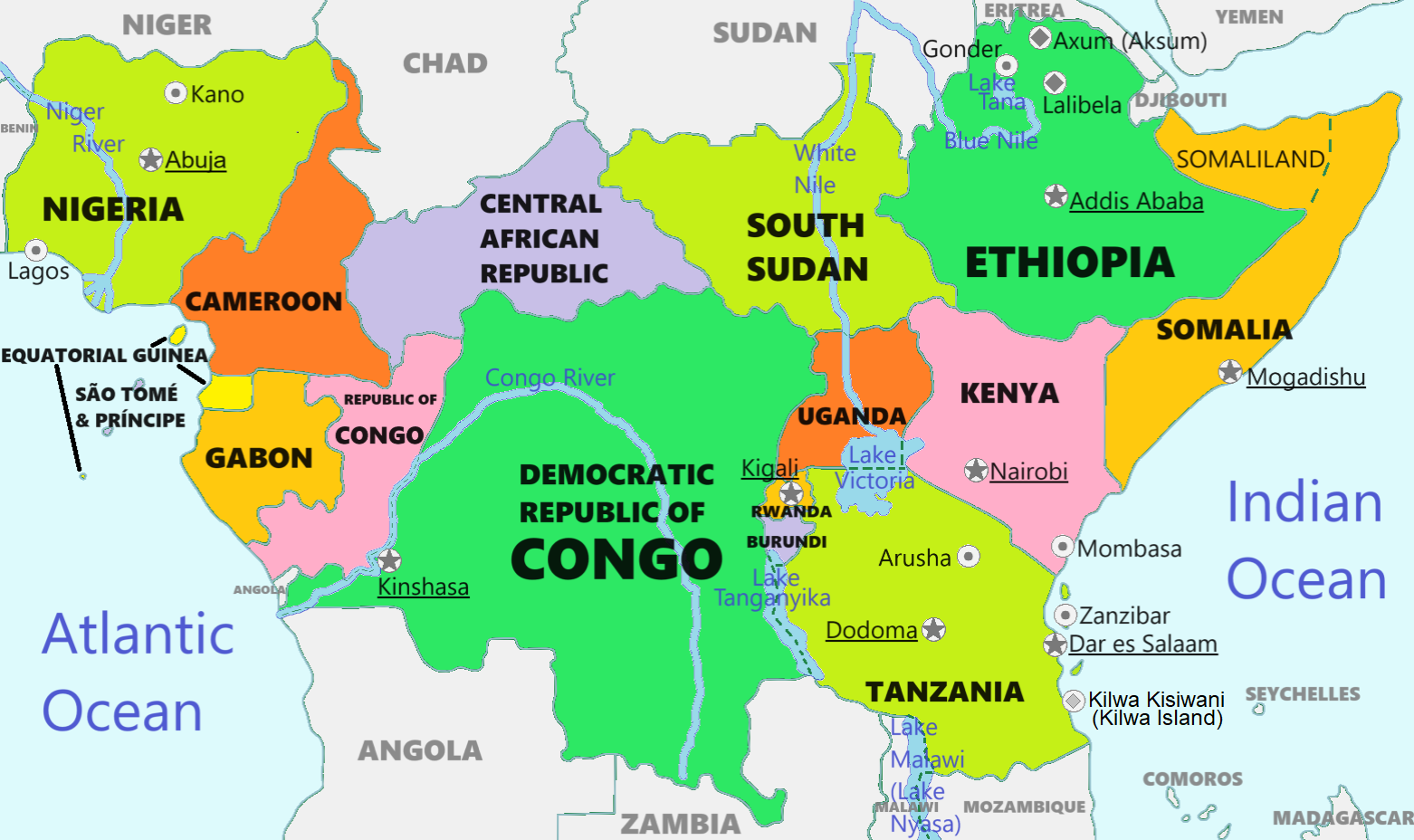
9. Equatorial-Central and East Africa – Focus: Democratic Republic of Congo & Tanzania
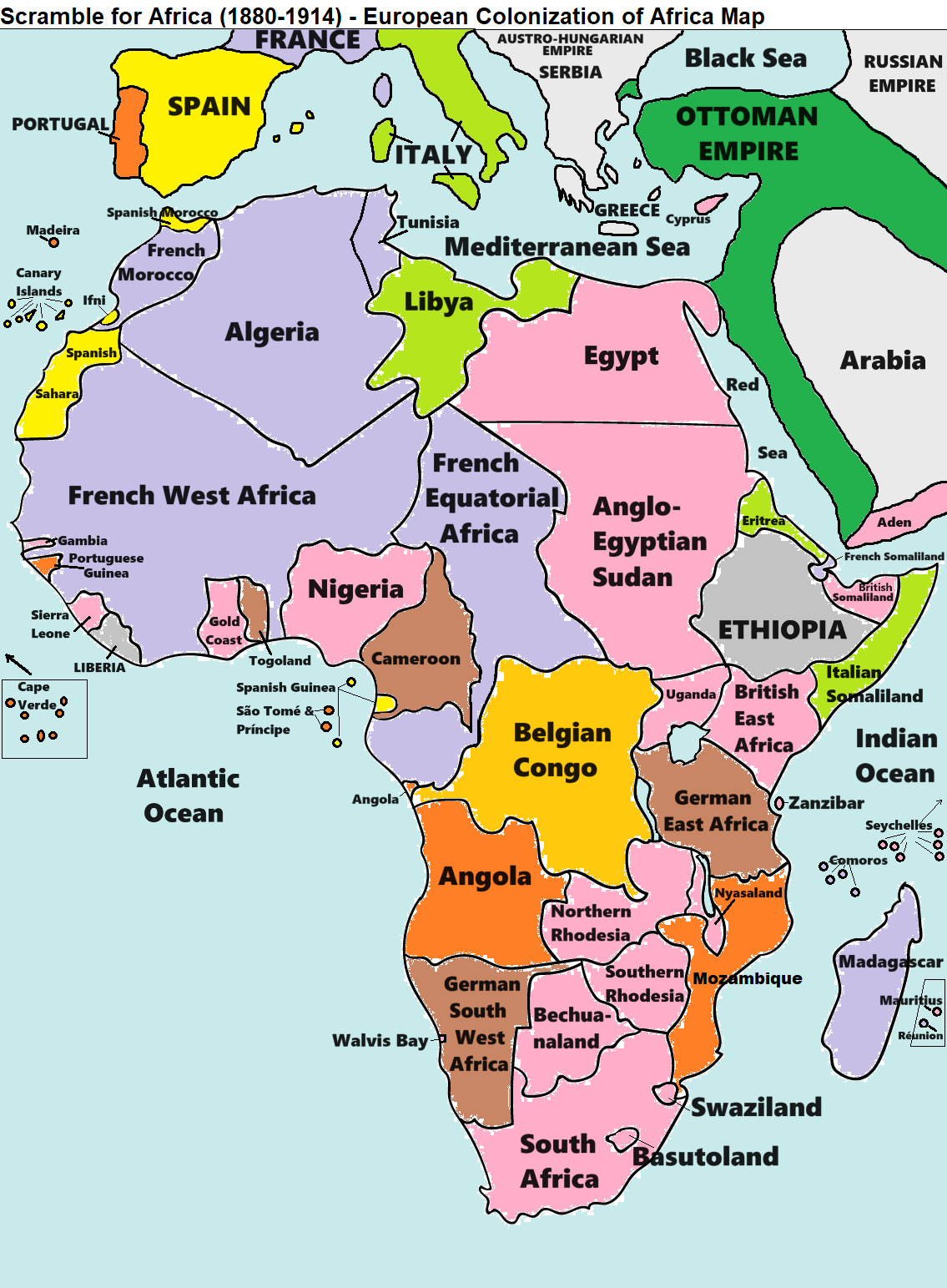
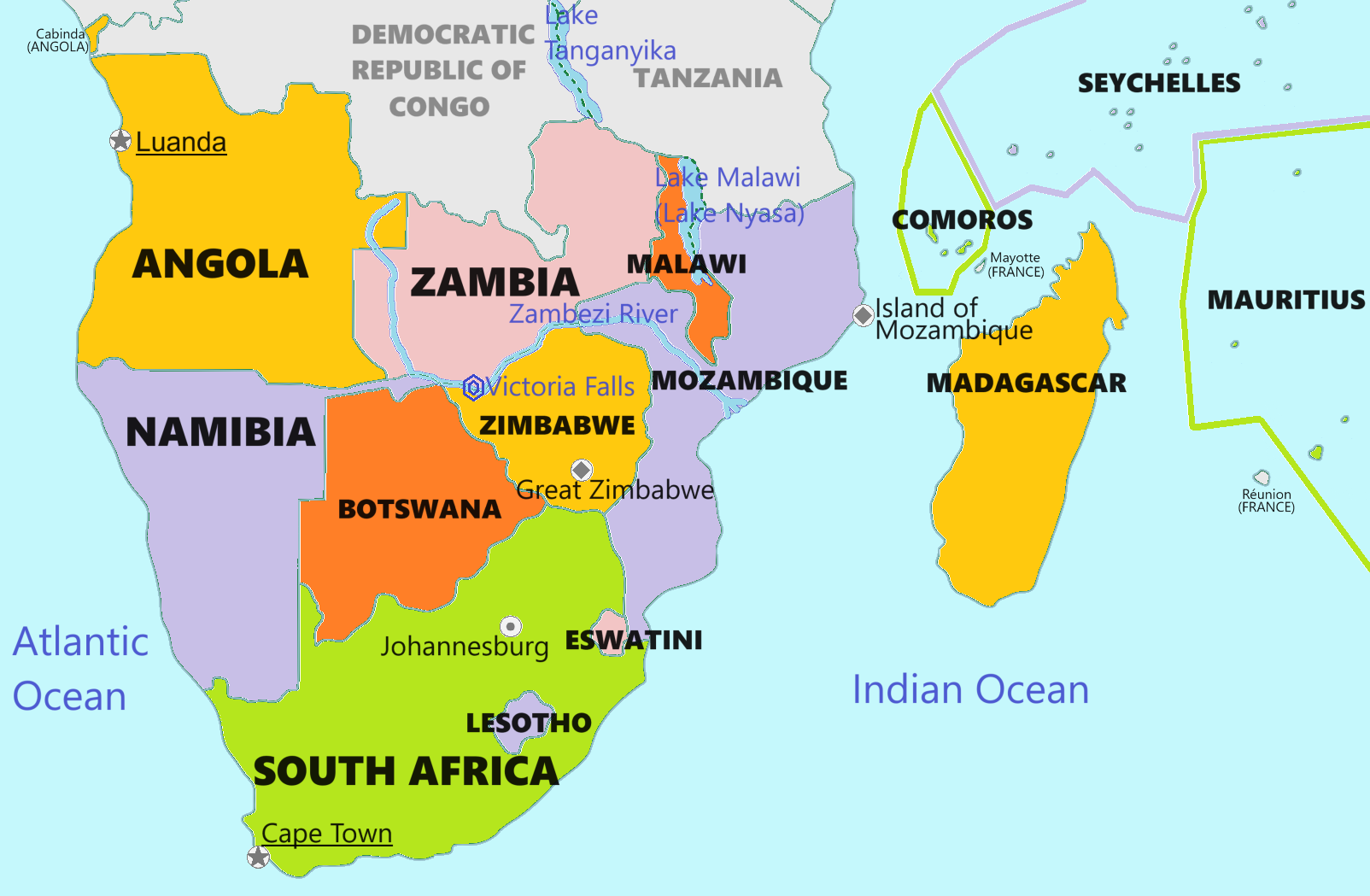
10. Southern Africa Zambezi-Cape – Focus: South Africa & Zimbabwe
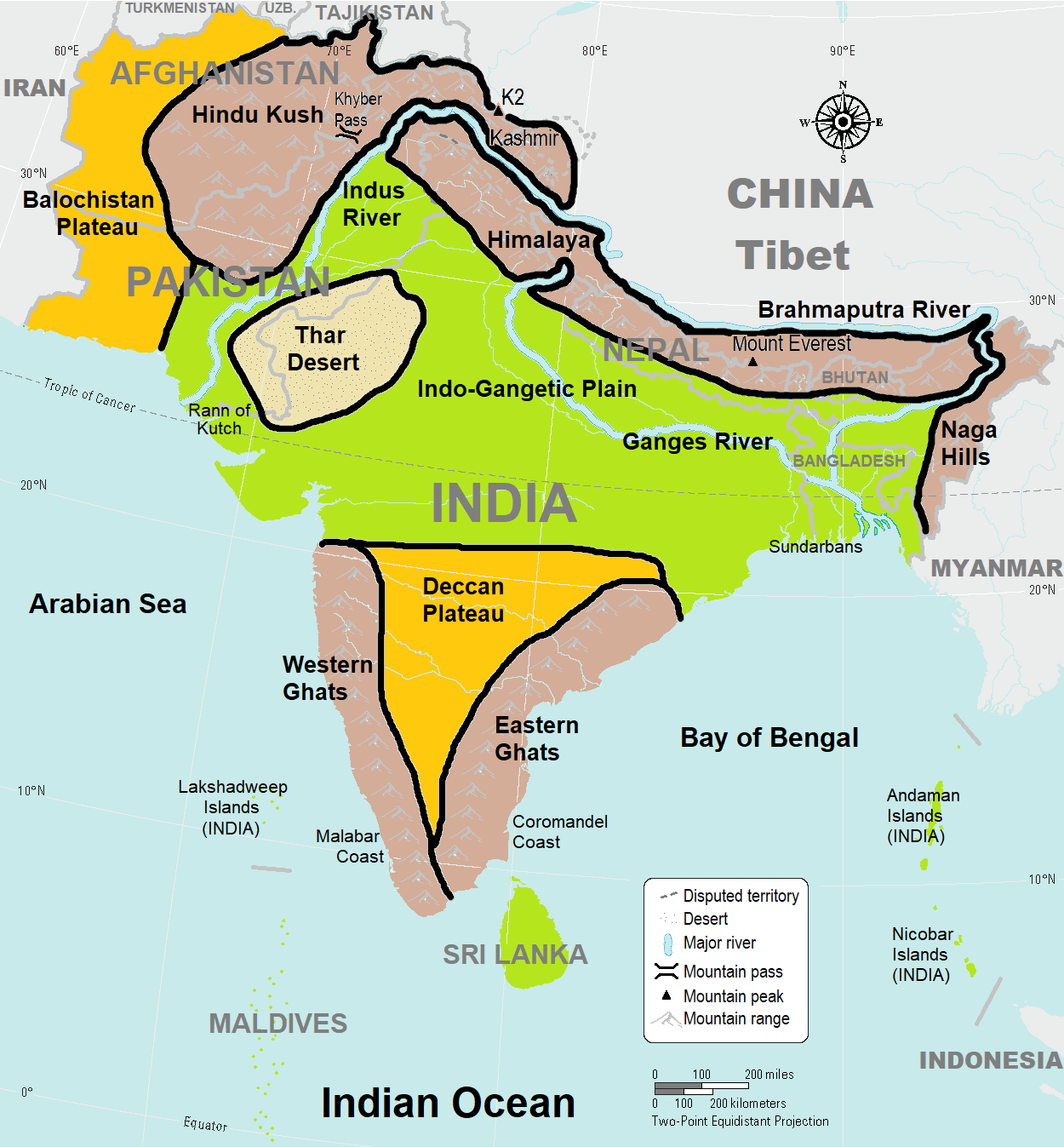
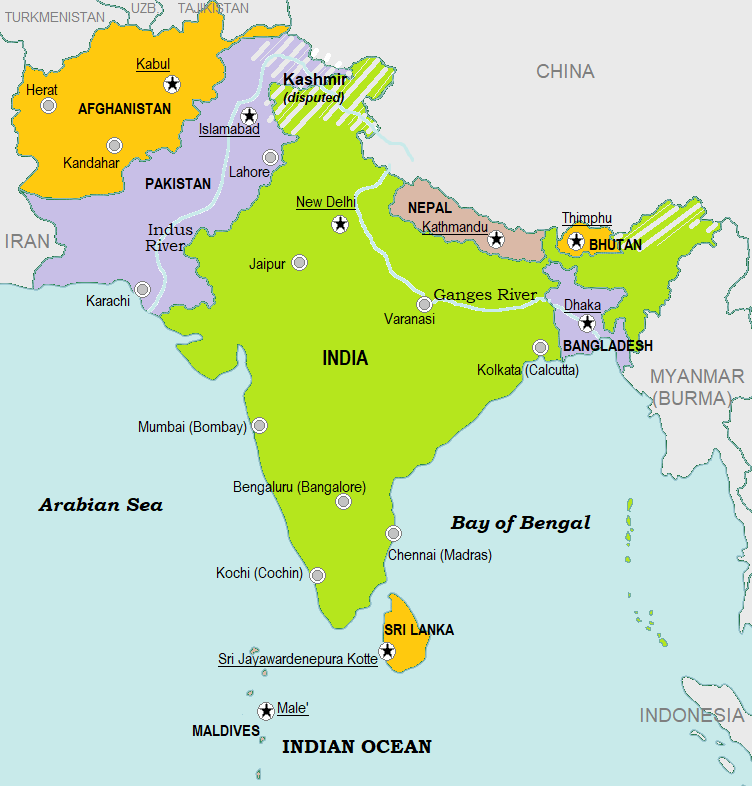
11. Indian Subcontinent South Asia – Focus: India
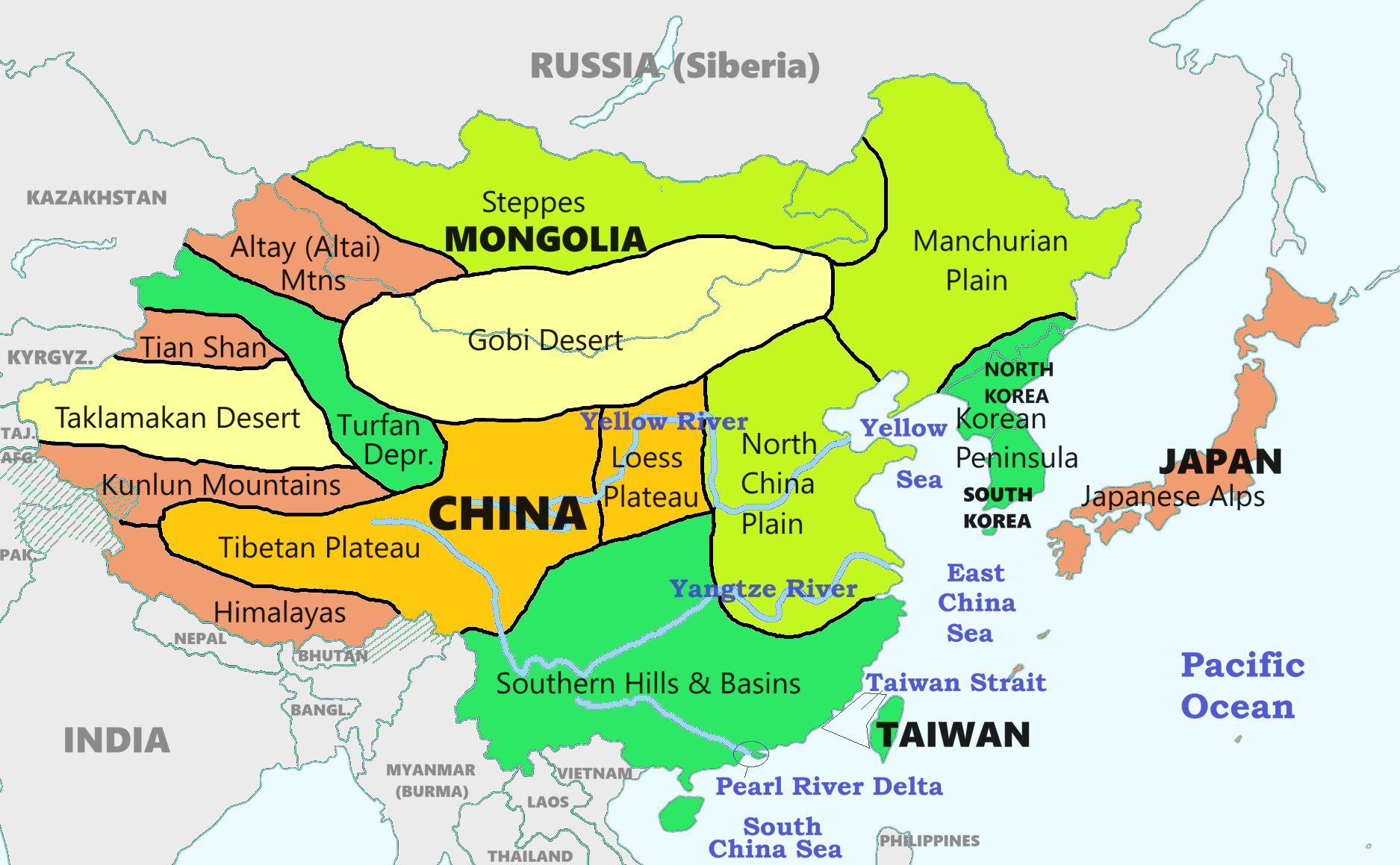
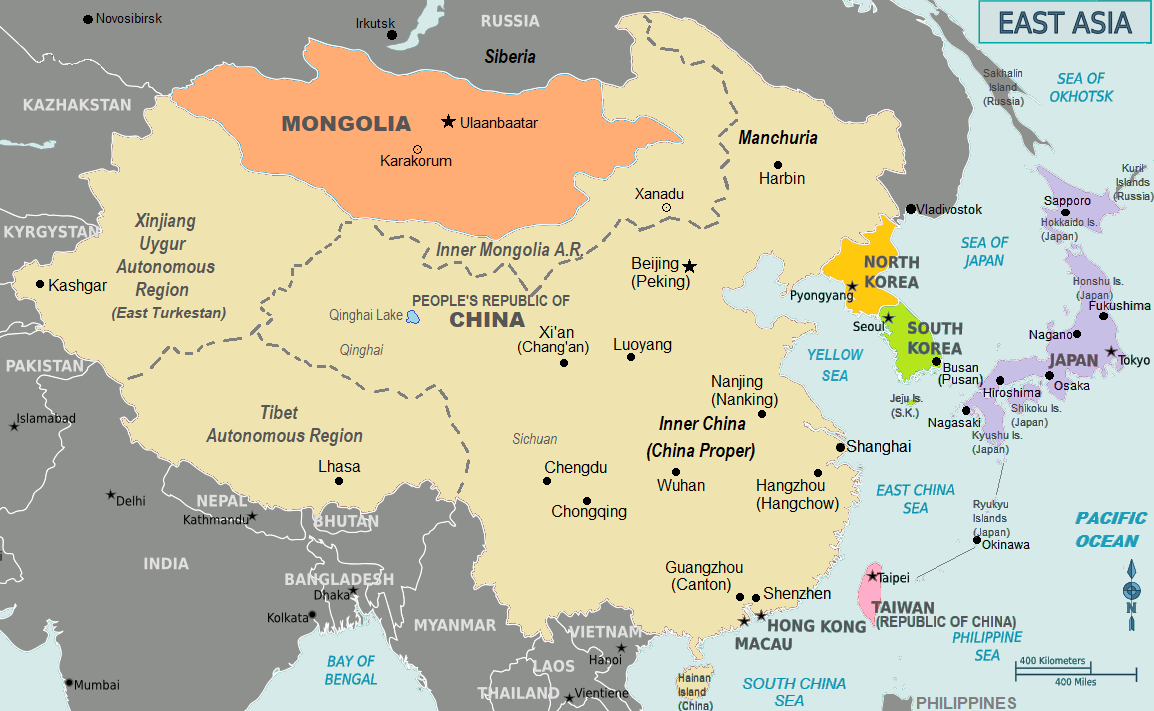
12. China (Zhōnghuá) East Asia – Focus: China
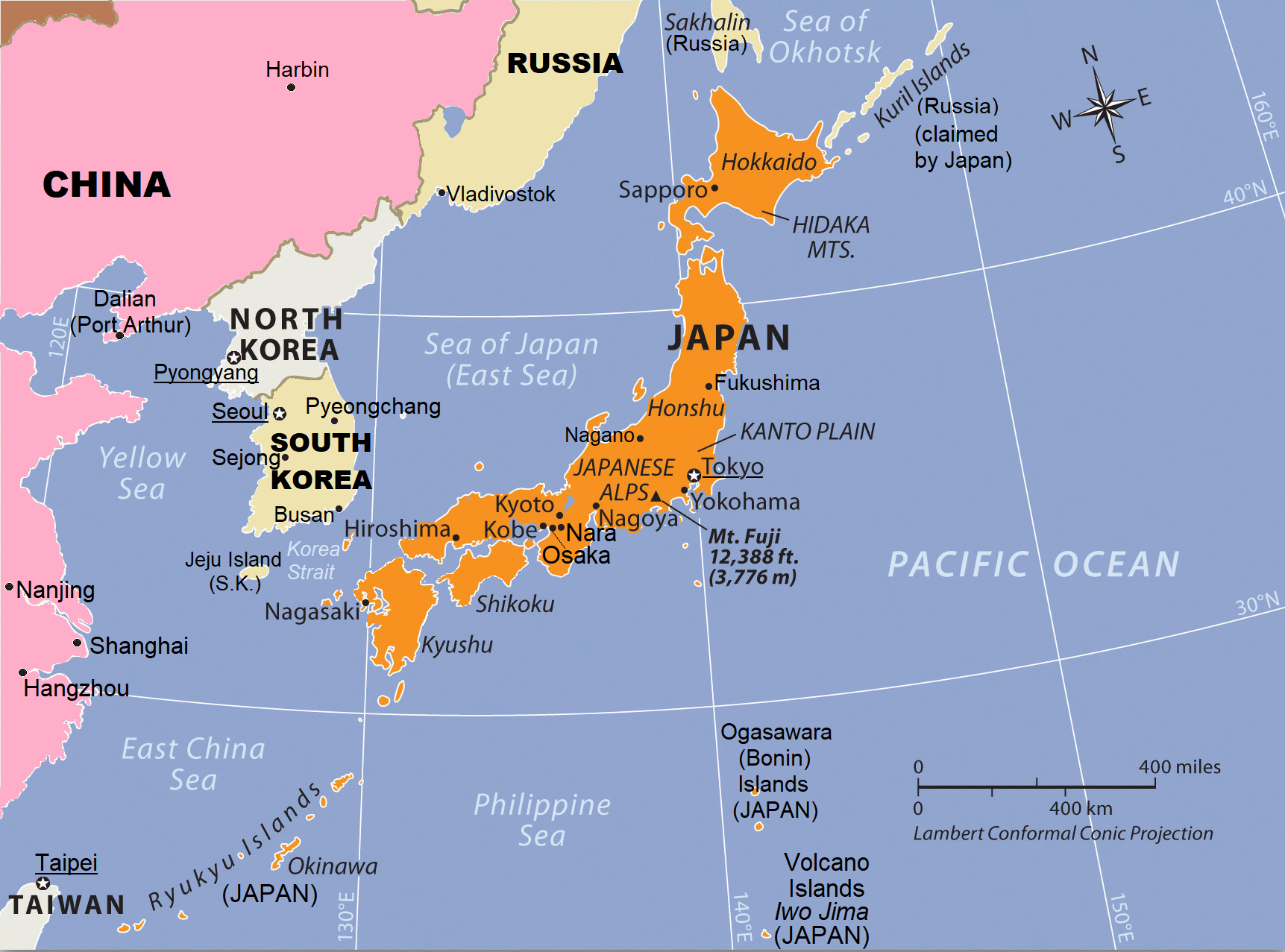
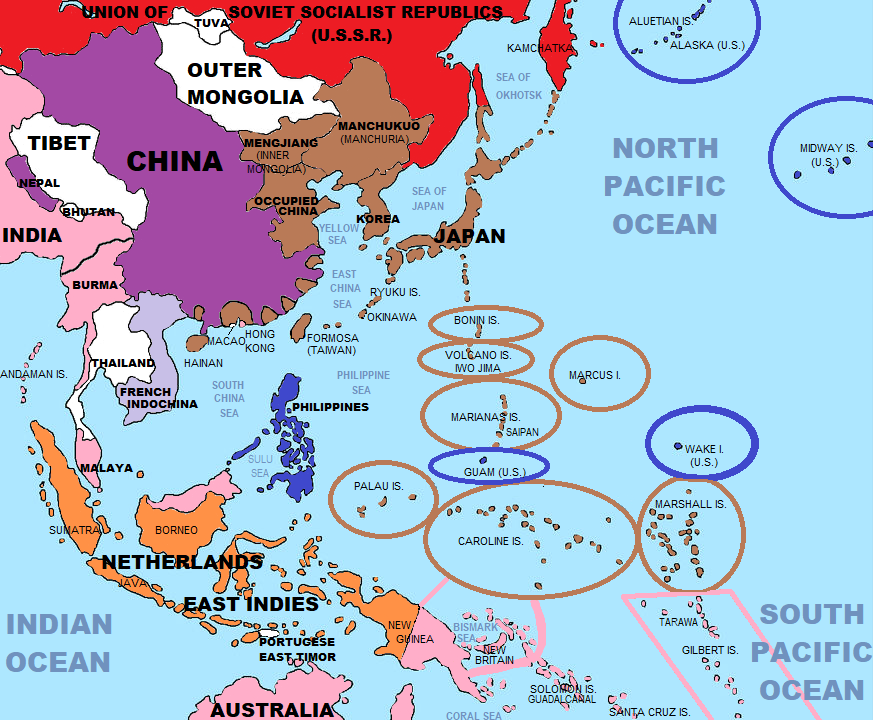
13. Japan-Koreas Far East Asia – Focus: Japan
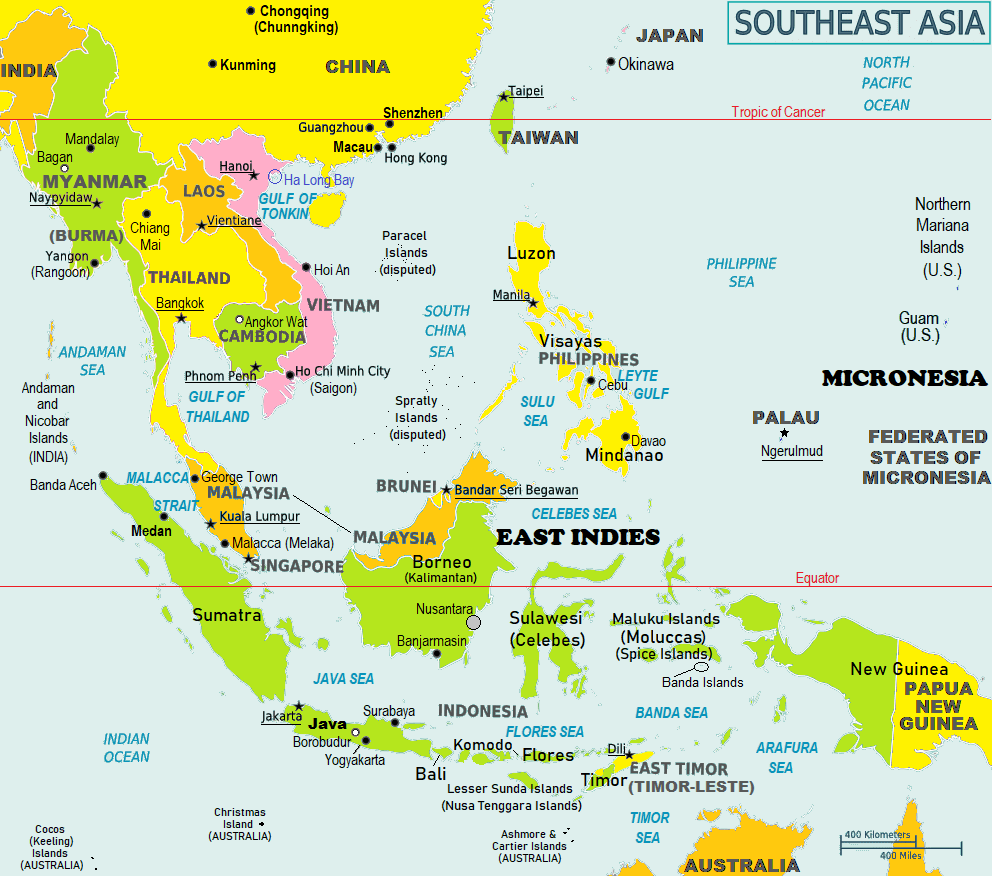
14. Southeast Asia – Focus: Vietnam & Indonesia
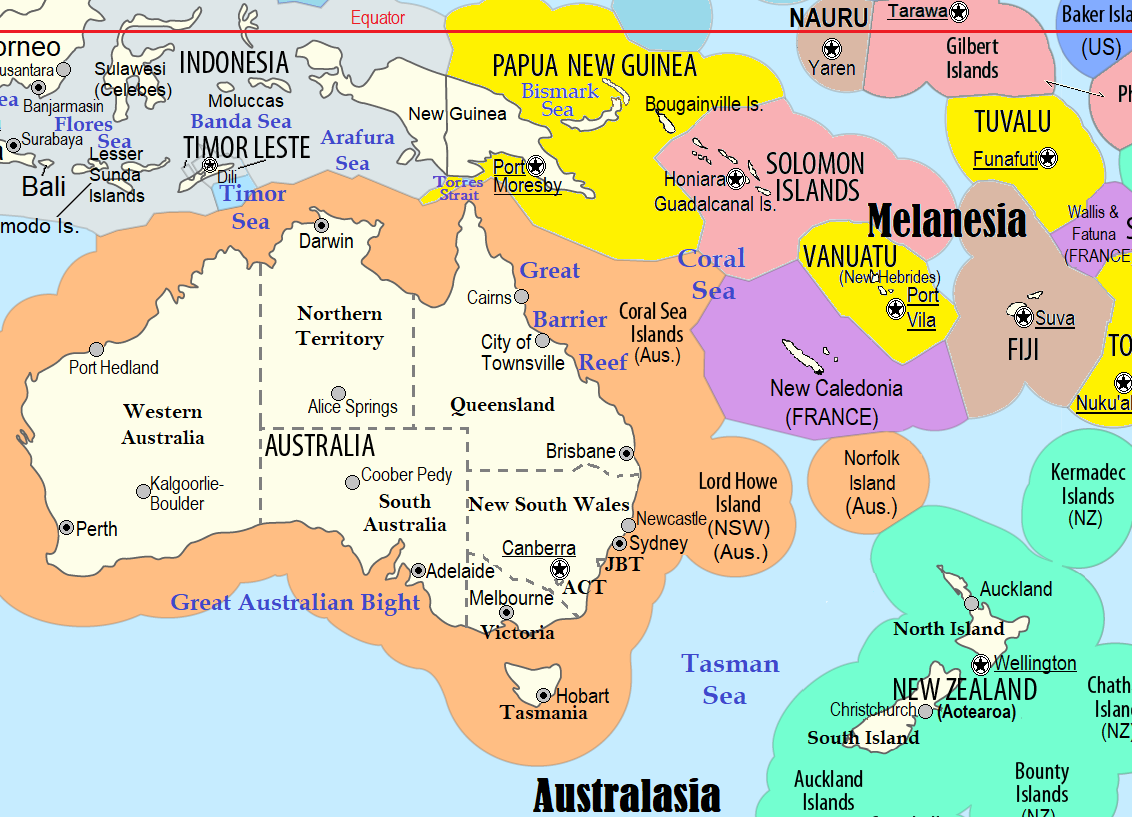
15. Australasia-Melanesia
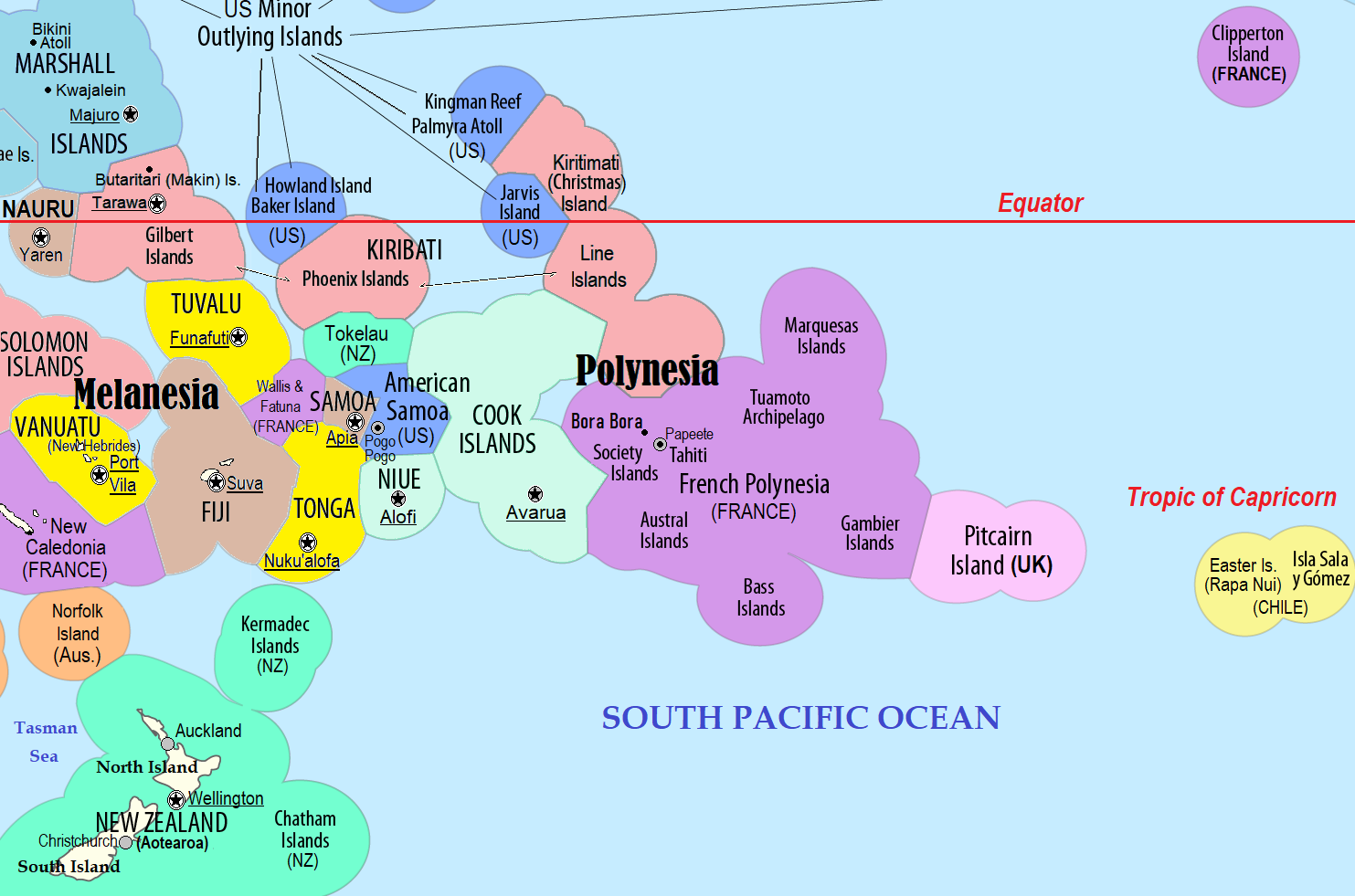
16. Polynesia (except Hawaii)
U.S. History

U.S. Geography
U.S. Civics/Government
-
- Issues